We acknowledge and highlight the rich history of the communities and ancestral peoples who inhabited and shaped the Magallanes Region. To ensure that its natural beauty does not overshadow its historical significance, we share well-researched information about the territory’s cultural legacy with our travelers, encouraging informed, mindful, and respectful exploration of the region’s heritage.
Indigenous Peoples of Patagonia
We share the history of the Indigenous peoples who inhabited the southern lands and waterways, recognizing four key cultures of the region:
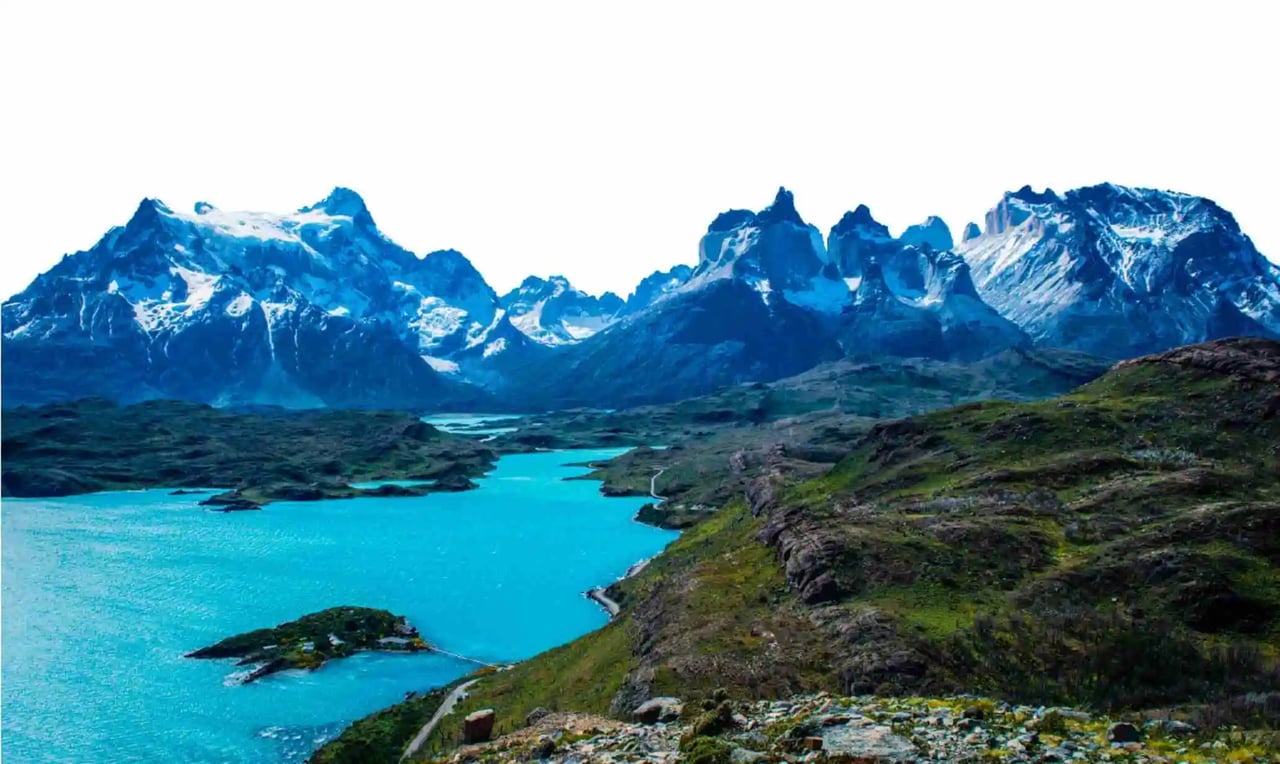
- Aónikenk (Tehuelche): They inhabited the Patagonian steppes from the first millennium onward. They named the main mountain massif Paine, meaning “blue” in their language, referring to the distinctive hue of the mountains we protect today.
- Selk’nam (Ona): They inhabited the main island of Tierra del Fuego, south of Torres del Paine. They developed a remarkable ability to adapt to the extreme climate and were known for their ceremonial traditions and deep knowledge of the territory.
- Yagán (Yámana): They navigated the channels and islands of the far south in bark canoes, gathering food along the shores and building temporary shelters from wood, vegetation, and animal hides without altering the surrounding aquatic environment.
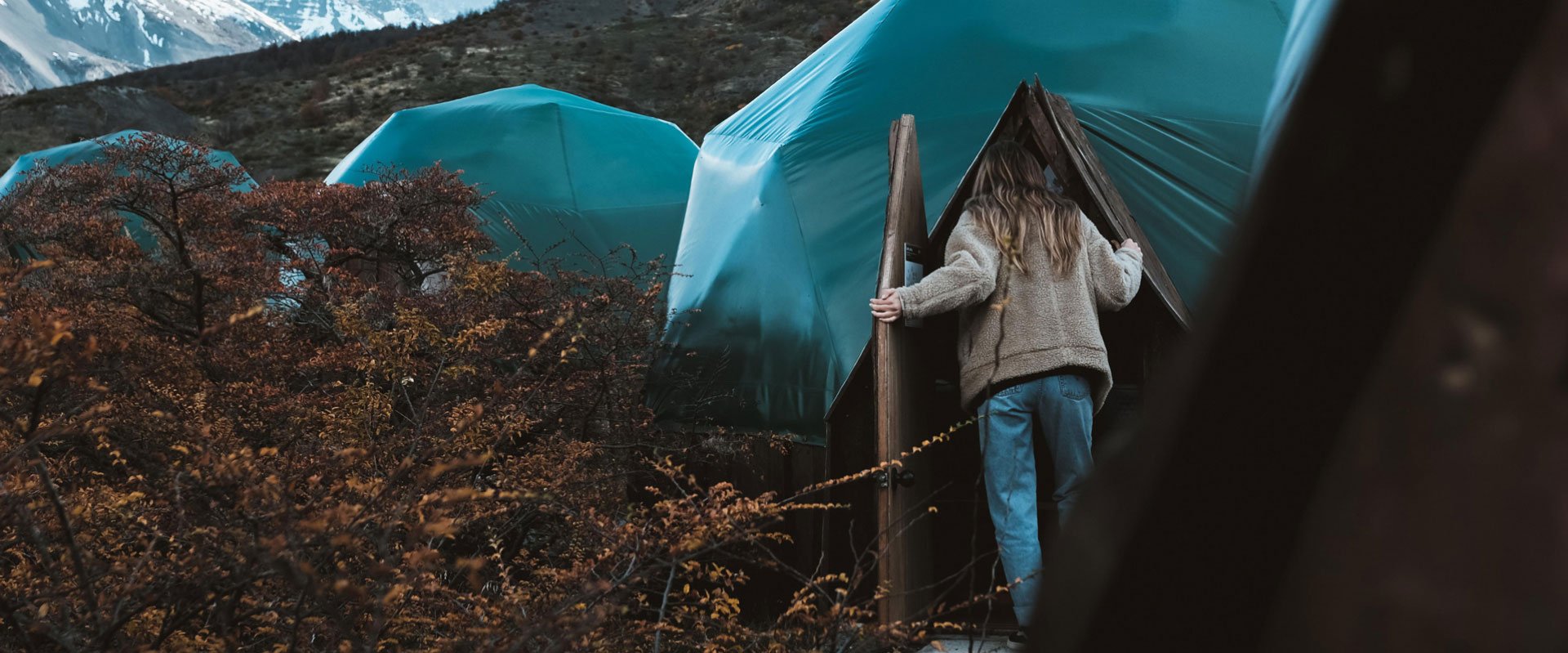
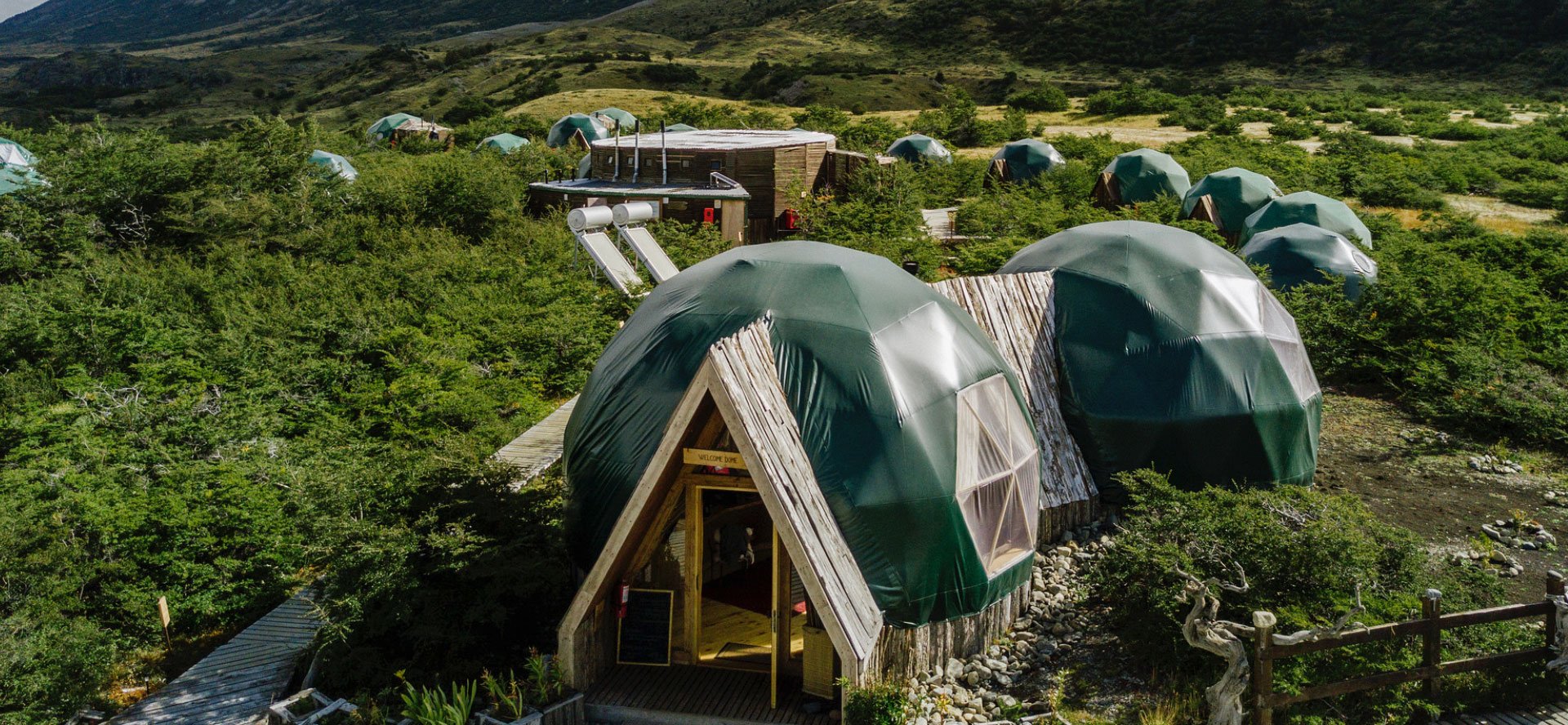
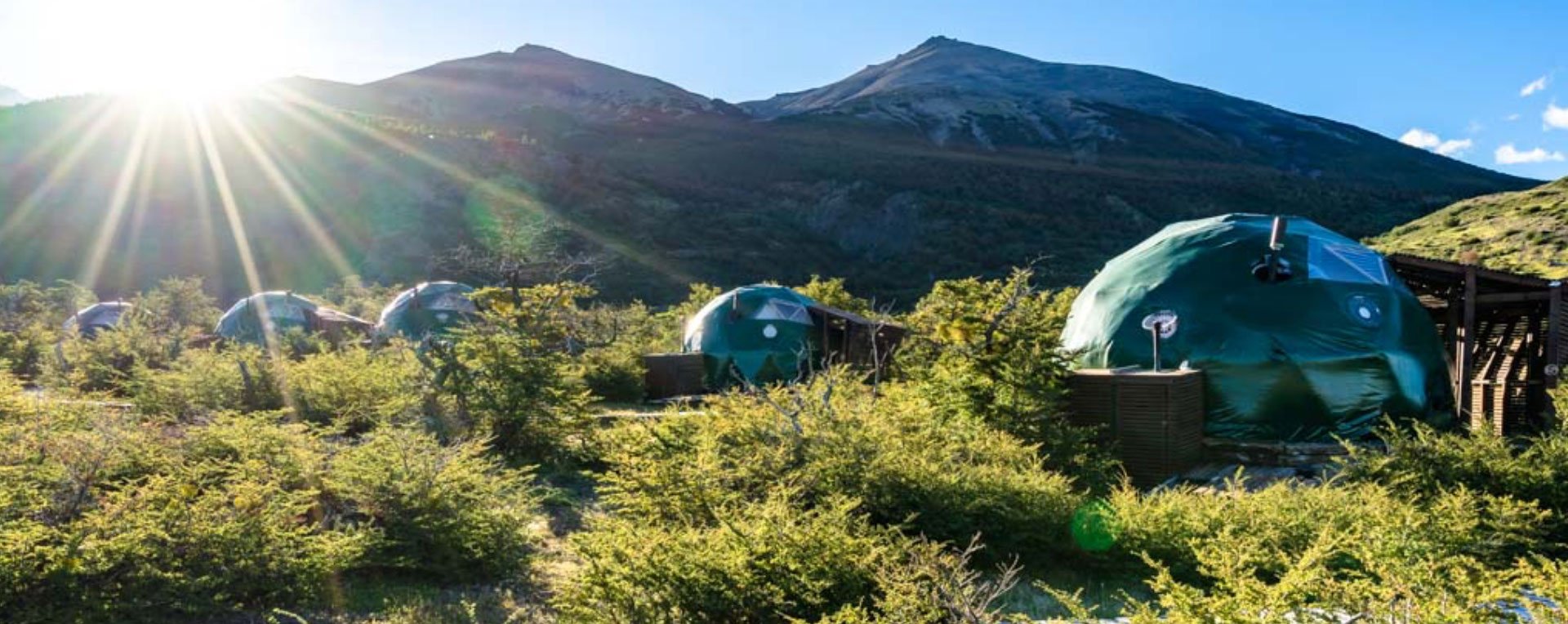
- Kawésqar: They traveled through the western channels in canoes and built dismantlable, dome-shaped shelters that they moved without leaving a permanent physical footprint on the land. Inspired by the geodesic architecture and minimal-impact principles of Kawésqar culture, we designed EcoCamp Patagonia’s non-permanent dome infrastructure.
The Baqueano Culture of Magallanes
Towards the end of the nineteenth century, following the arrival of the first settlers and explorers in Patagonia, the baqueano emerged as a skilled horse rider and expert in the local terrain. Baqueanos established the first overland routes, serving as essential guides on expeditions across the plains and mountains of Magallanes.
Historically, baqueanos led livestock herding and cattle management on the region’s ranches. Today, we incorporate this cultural heritage into our exploration activities, working with local baqueanos who guide our horseback excursions and share their knowledge of Patagonia’s geography, climate, and wildlife with guests.
Sharing and Celebrating Cultural Heritage
We incorporate the history and identity of Magallanes into every aspect of the EcoCamp Patagonia experience:
- Low-impact architecture and infrastructure: We designed our domes with inspiration from the Kawésqar people’s dome-shaped dwellings, adopting their principles of minimal impact on the land to operate a camp that can be dismantled.
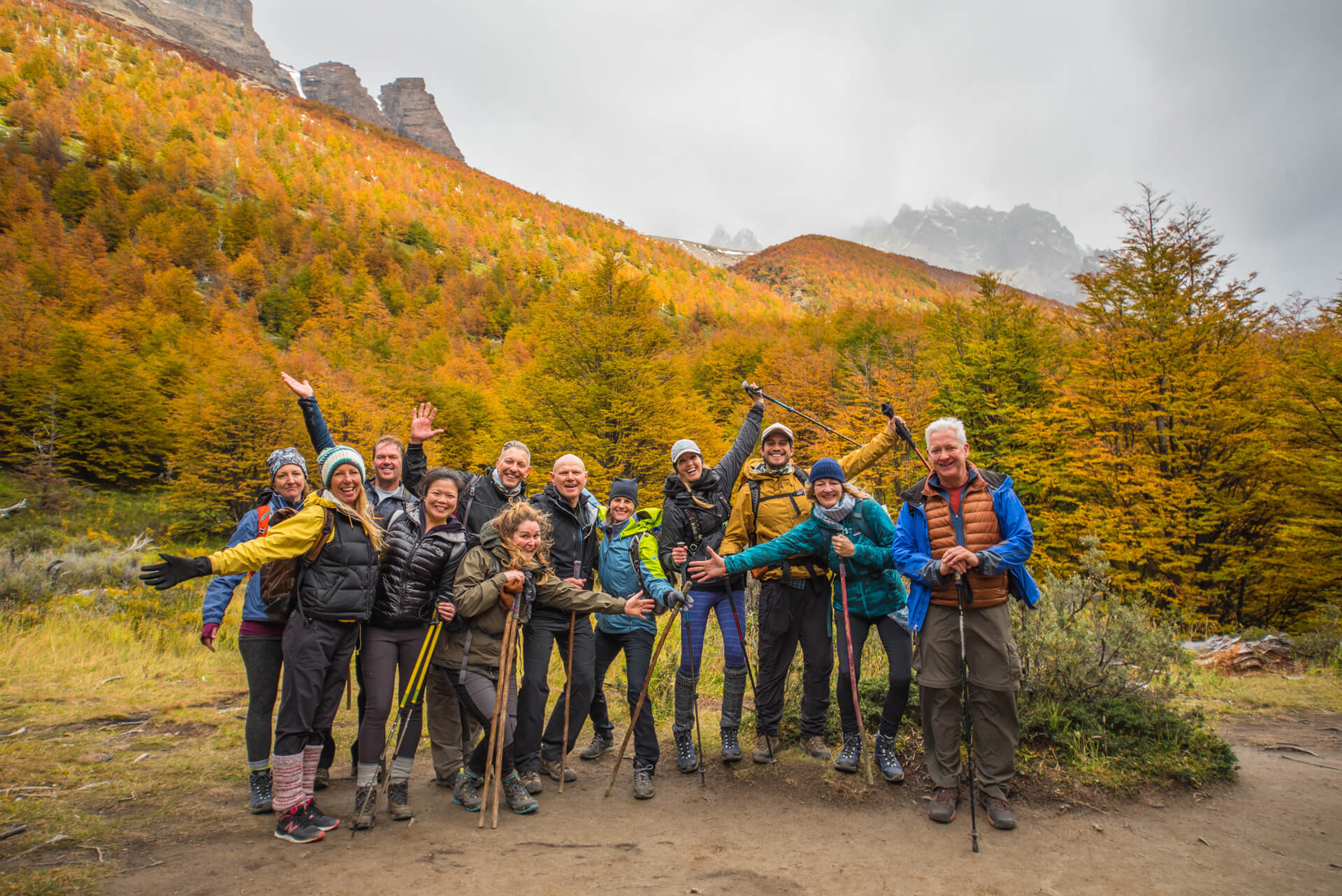
- Guides trained in local history: We train our guides to share well-researched information about Indigenous peoples and baqueano culture. Our excursions include routes that visit sites with Aónikenk (Tehuelche) rock paintings, as well as horseback rides led by local baqueanos.
- Regional and traditional cuisine: We incorporate traditional recipes and local Patagonian ingredients into our cooking, including native potatoes, quinoa, regional seafood, and sopaipillas and churrascas prepared at the camp.