







The O Trek in Torres del Paine National Park is one of Patagonia’s most immersive and rewarding hiking experiences. Circling the entire Paine Massif, this multi-day trek takes you beyond the classic viewpoints and into the quieter, wilder corners of the park.
If you're considering taking on the O Circuit Torres del Paine, this guide will help you understand what to expect, how to prepare, and whether this iconic trek is right for you.
Find quickly the information you need:
What is the O Trek in Torres del Paine?
Highlights of the O Trek: Day by Day
Estimated total distance and elevation of the O Trek
How difficult is the O Trek? (And am I capable?)
Are you capable of hiking the O Trek?
How to prepare physically for the O Trek
O Trek vs W Trek: Which one is right for you?
Where to sleep on the O Trek? Campsites & refugios
What is the ideal hiking food in Patagonia?
Porter service on the O Trek explained
What should I pack for the Paine Circuit?
Experience the O Trek with support
Final thoughts: Is the O Trek worth it?
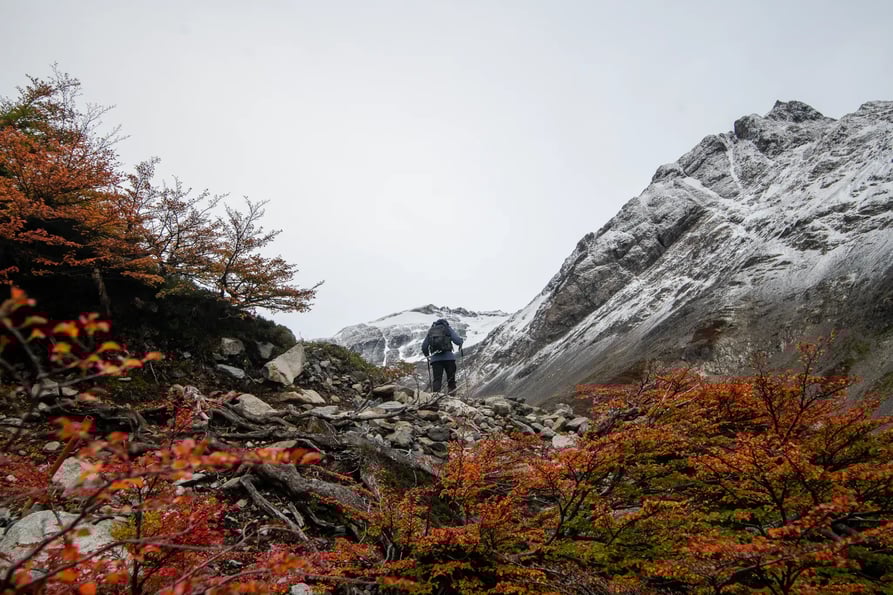
Photo: Hike towards Refugio Los Perros with autumn colors in March
What is the O Trek in Torres del Paine?
The correct local name is Paine Circuit, but the hike is also known as the Paine O Trek, a full loop around the Paine Massif that typically takes 7 to 9 days. It includes all the highlights of the Torres del Paine W Trek, such as the French Valley and Base Torres, while adding a remote northern section with fewer hikers and deeper wilderness. The Paine Circuit can only be done counterclockwise, whereas the W Trek can be done from both sides.
This is where Patagonia truly feels untouched.
Highlights of the O Trek: Day by Day
Let's break down, day by day, what to expect on the O Trek.
Day 1: Central / EcoCamp Patagonia to Serón — 13 km / 8.1 mi
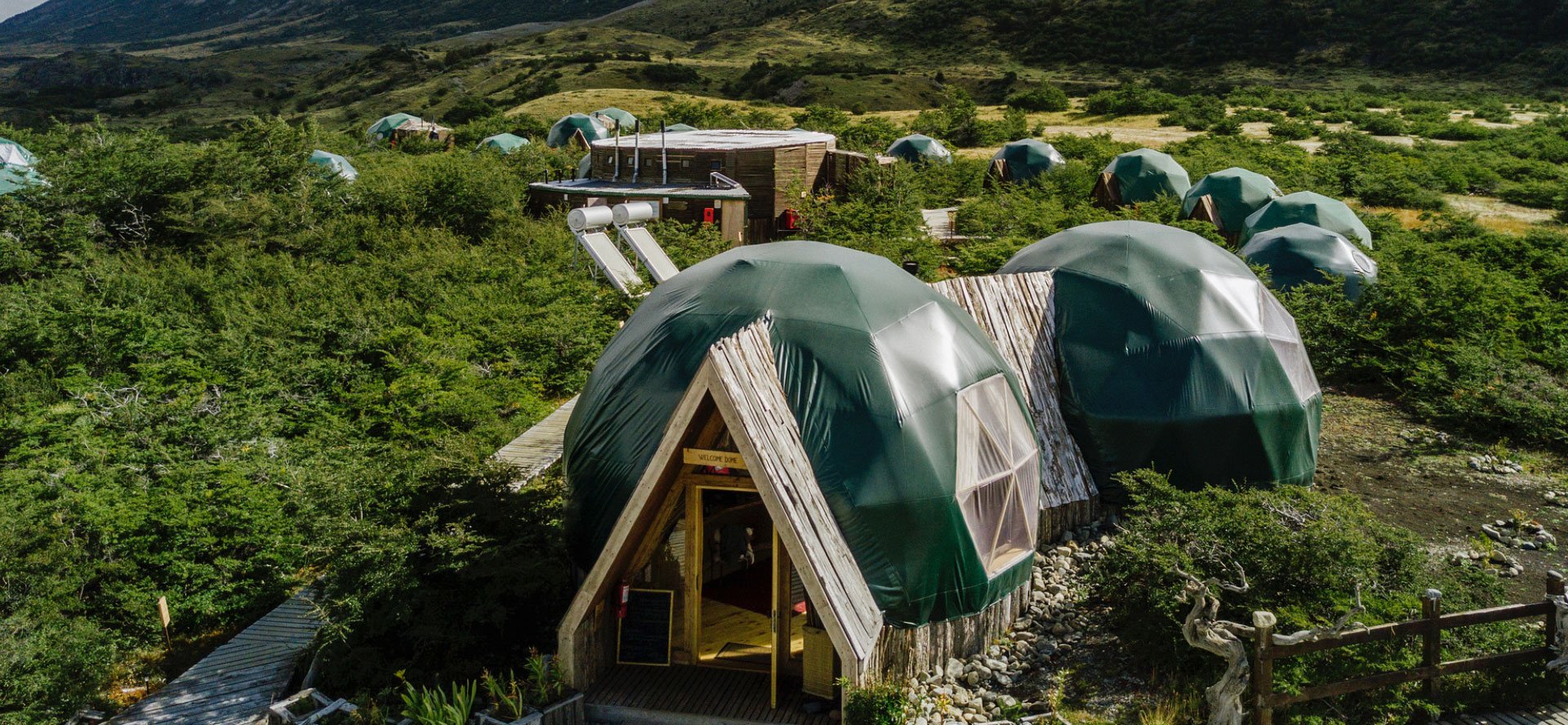
The trek begins from the Central sector near EcoCamp Patagonia, following a relatively gentle trail through open valleys, rivers, and lenga forest. This first stage is a good introduction to the Paine Circuit, allowing you to ease into the rhythm of a multi-day trek in Patagonia.
Day 2: Serón to Dickson — 18,7 km / 11.6 mi
From Serón, the trail continues north toward Refugio Dickson, one of the most peaceful stops on the O Circuit. Located beside a glacial lake and surrounded by mountains, Dickson feels noticeably more remote than the busier sectors of Torres del Paine. Along the way, you will pass the Coirón ranger station, where registration is required.
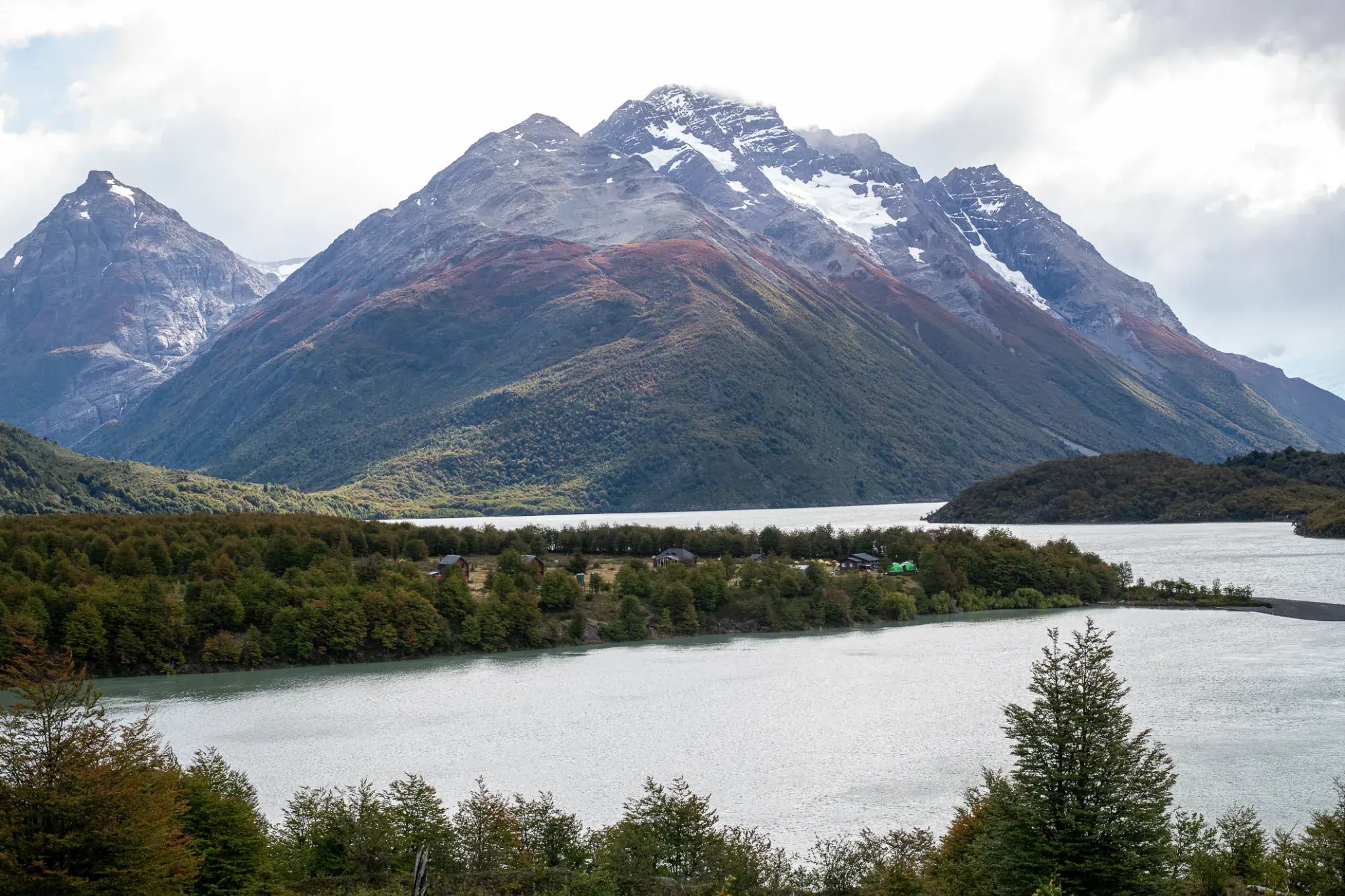
Photo: Refugio Dickson, one of the most beautiful campsites at the Paine O circuit.
Day 3: Dickson to Los Perros — 12,9 km / 8.1 mi
This shorter stage leads deeper into the park's quieter, forested side. The route passes through dense woodland, streams, and rougher terrain, creating a stronger sense of isolation. Before reaching Los Perros Campsite, hikers are rewarded with views of Los Perros Glacier, one of the O Trek's lesser-visited highlights.
The Perros Campsite is a real mountain hut - it is the simplest campsite of them all. It is the only place that offers cold-water showers, and the meals at the refugio are very simple due to its remote location.
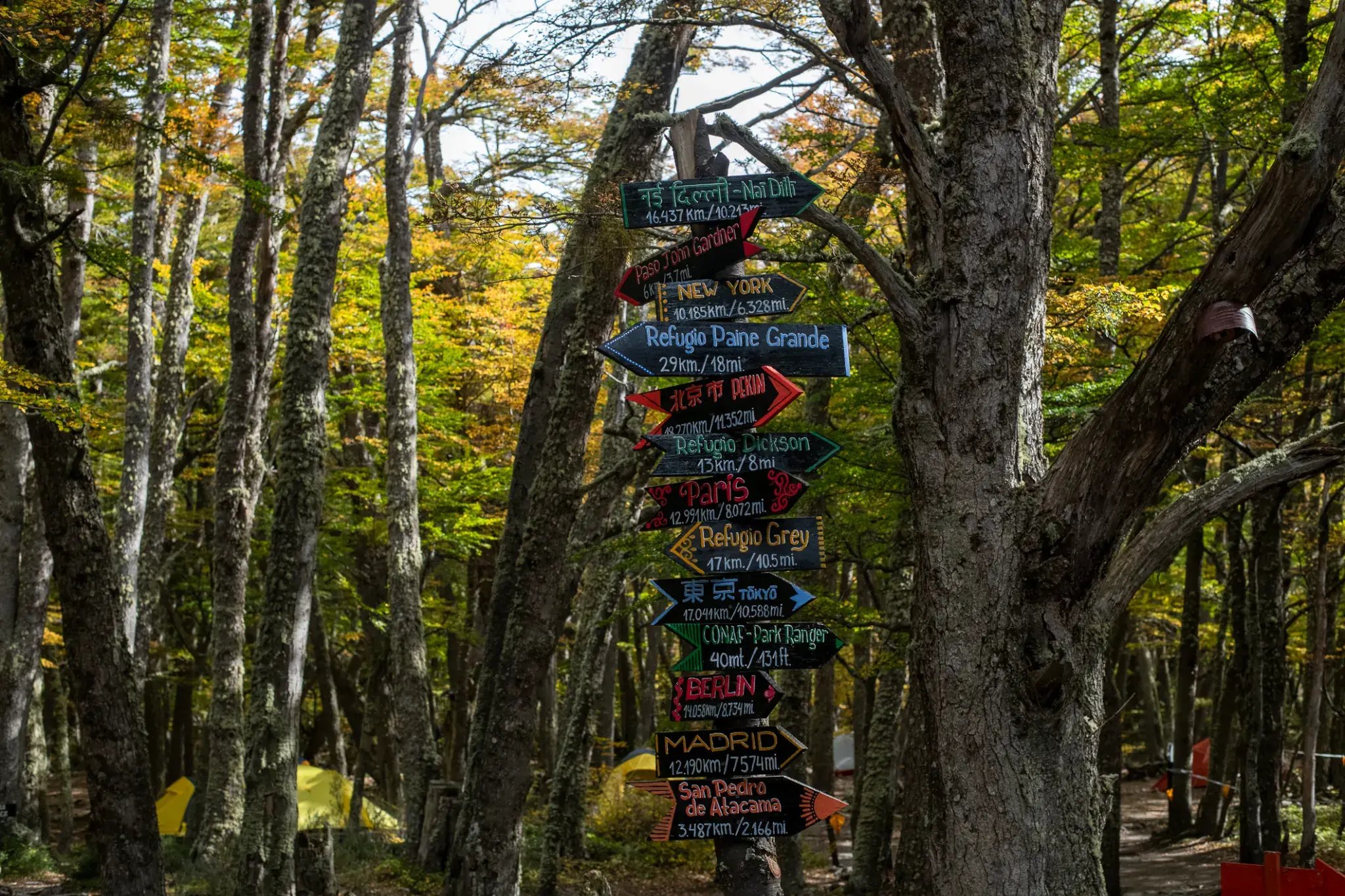
Photo: Refugio Los Perros is hidden inside the native forest.
Day 4: Los Perros to Grey via John Gardner Pass — 17,3 km / 10.7 mi
This day is widely considered the most demanding of the Torres del Paine O Trek. The climb to John Gardner Pass is steep and physically demanding, often exposed to strong Patagonian winds and rapidly changing weather.
From Los Perros to Grey Refugio, hikers can expect roughly 900–1,000 m (2,950–3,280 ft) of ascent and 1,300–1,500 m (4,265–4,920 ft) of descent.
The effort is rewarded with the first wide views of Grey Glacier, part of the Southern Patagonian Ice Field and one of the park's most impressive sights. After the pass, the trail drops sharply through the forest, crossing suspension bridges on the long descent to Grey Lake and Refugio Grey, the campsite. It is a tough day, but for many hikers, it is also the most memorable stage of the full circuit.
_resultado.webp?width=893&height=596&name=Circuit%20(83)_resultado.webp)
The hike down from the Gardner Pass, towards Refugio Grey
Day 5: Grey to Paine Grande — 11 km / 6.8 mi
From Grey, the O Trek joins the more traveled W Trek route. The trail to Paine Grande is shorter and more straightforward, with glacier views, mountain scenery, and classic landscapes along Lake Grey.
Some people take advantage of Refugio Grey to do an ice hike on Glacier Grey. From here, there is also the Grey Catamaran, a boat ride you can take to reach the glacier and leave you at the Grey Beach shore. Some people also take the catamaran to start or finish their W circuit Torres del Paine trek.
Interested in exploring more glaciers, but in Argentina? Visit the Perito Moreno Glacier in Los Glaciares National Park in El Chaltén.
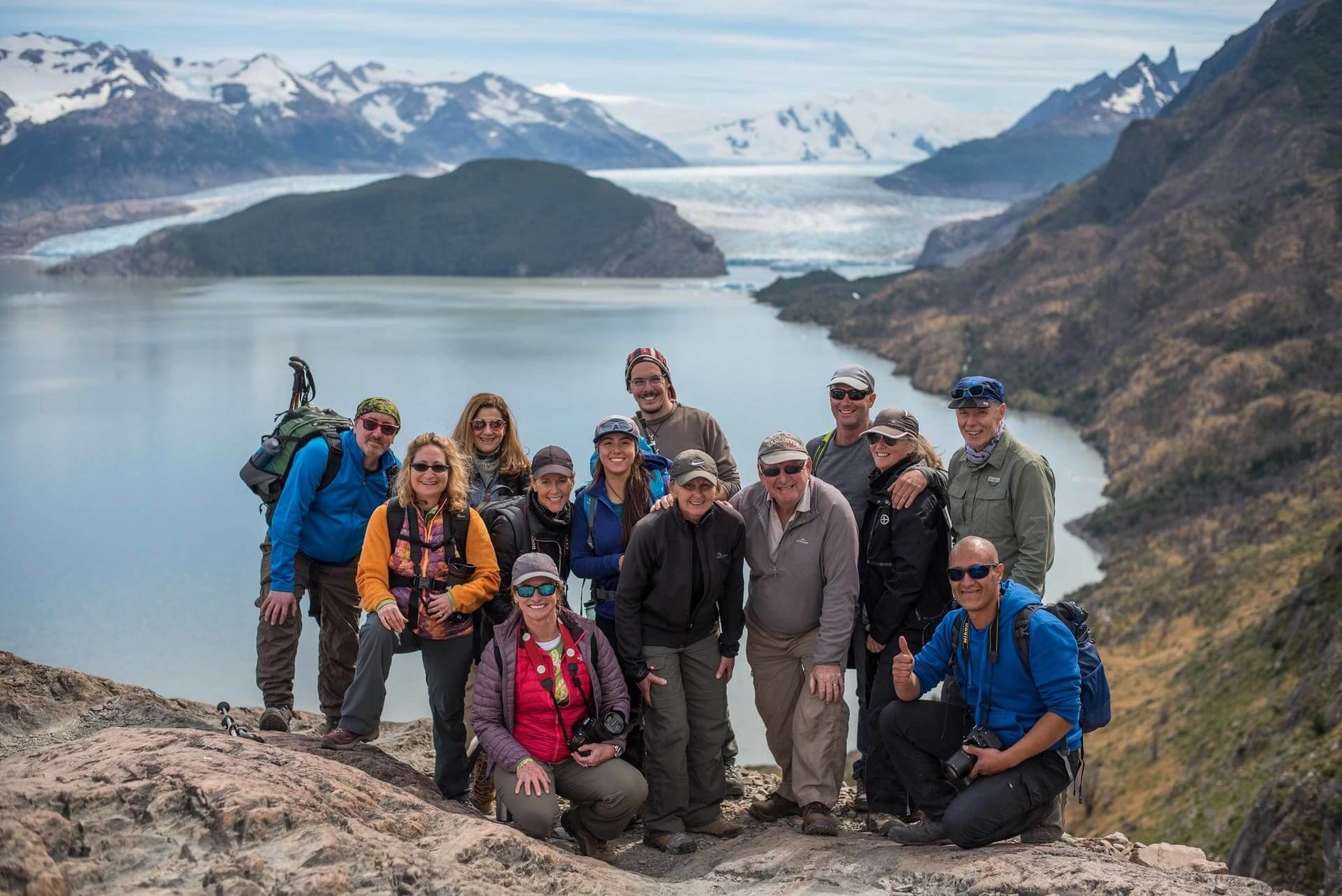
Grey Glacier viewpoint in between Refugio Grey and Paine Grande
Day 6: Paine Grande to French Valley, then on to Los Cuernos — about 20 km / 12.4 mi
This is one of the most scenic days of the trek. From Paine Grande, the route enters French Valley, where hanging glaciers, steep rock walls, and sweeping mountain views create one of the most dramatic landscapes in Torres del Paine National Park.
Although it is not a technical climb, the out-and-back into the valley still involves roughly 600 m (1,970 ft) of ascent and the same descent, which can feel demanding after several days on the trail. After returning from the valley, the route continues east toward Los Cuernos, unless you stay at the Frances Campsite.
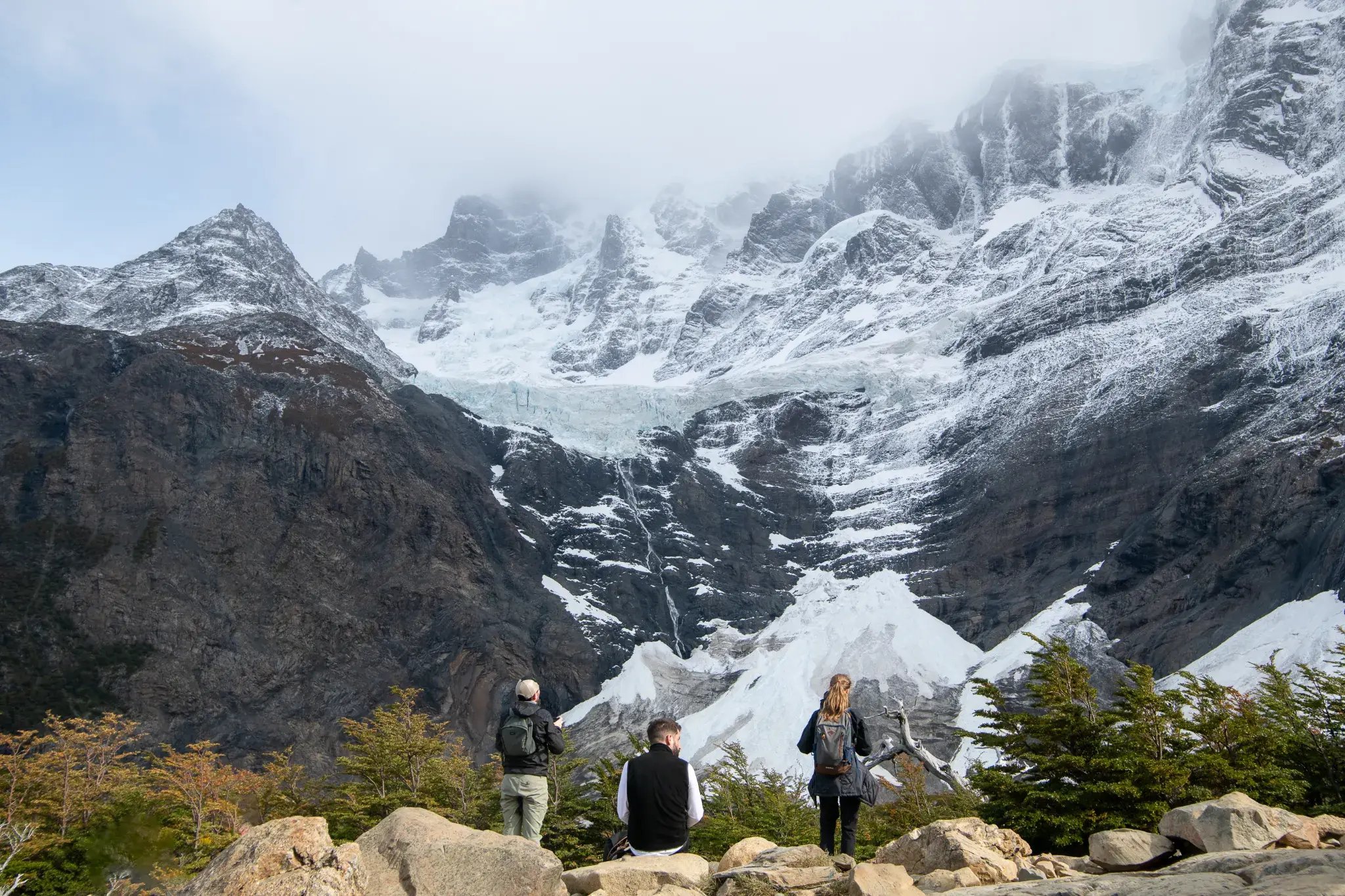
Photo: French Valley lookout, part of the W trek
Day 7: Los Cuernos to Central — 16 km / 10 mi
This stage follows the shores of Lake Nordenskjöld, with wide views of the Paine Massif and a more direct hiking day overall. For many trekkers, it serves as the transition before the final climb to Base Torres.
This hike is often overlooked as a highlight, but it is very beautiful, with many viewpoints, waterfalls, bridges, and plenty of great spots to sit and enjoy your box lunch.
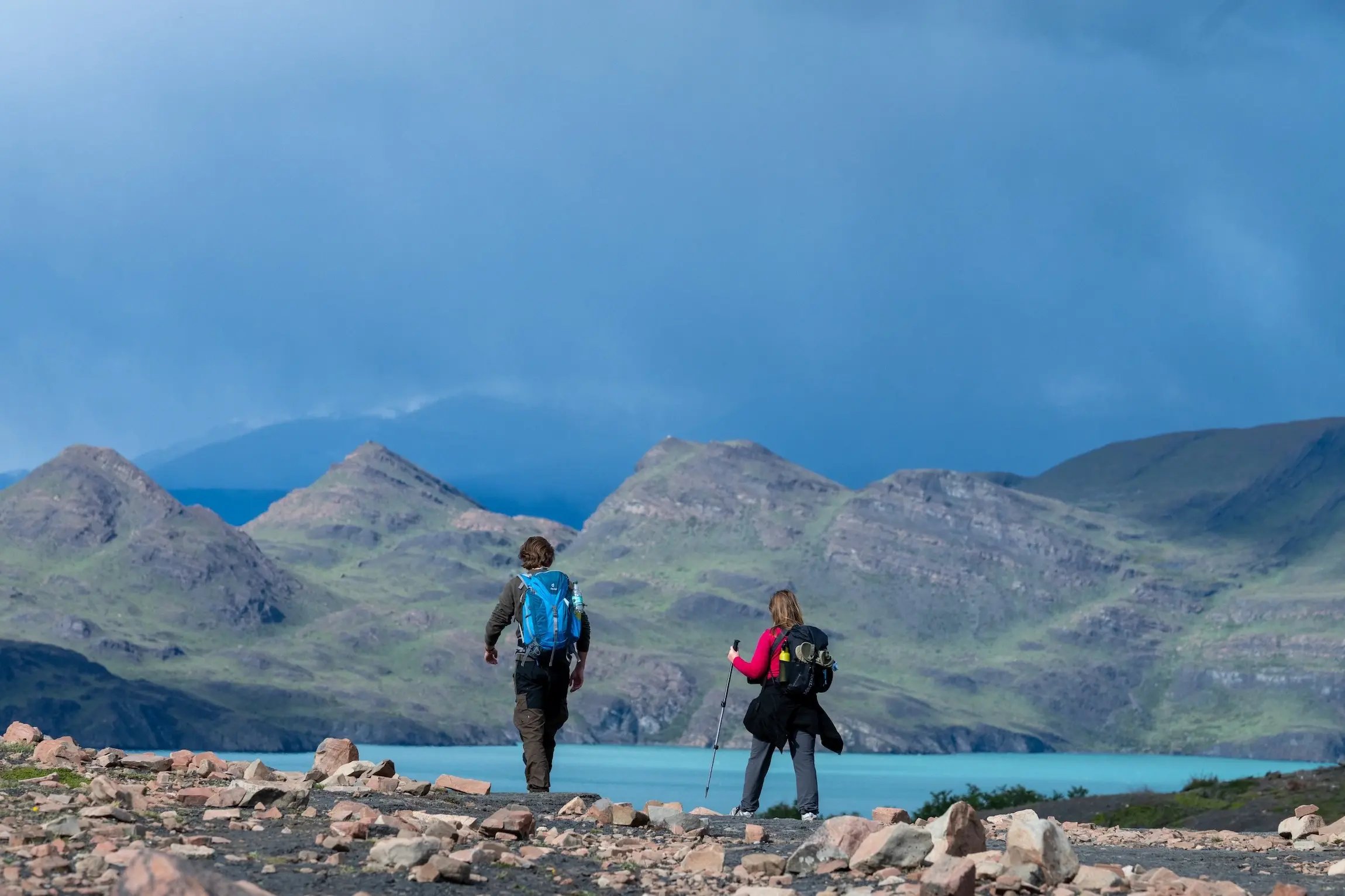
Lake Nordenskjöld together with all the mountains from the other side of the W Trek. Photo: Harry Skeggs.
Day 8: Central to Base Torres and back — about 22 km / 14 mi
The final major highlight of the O Trek is Base Torres, the famous viewpoint beneath the park’s iconic granite peaks. This is one of the most sought-after hikes in Patagonia, but it is also a demanding day.
Hikers can expect roughly 800–1,000 m (2,625–3,280 ft) of ascent and the same descent, depending on the exact starting point and track used.
The final section is the steepest, which is why the climb to Base Torres often feels harder than the numbers alone suggest. You don´t need blue skies to see the towers; high clouds are the most important.
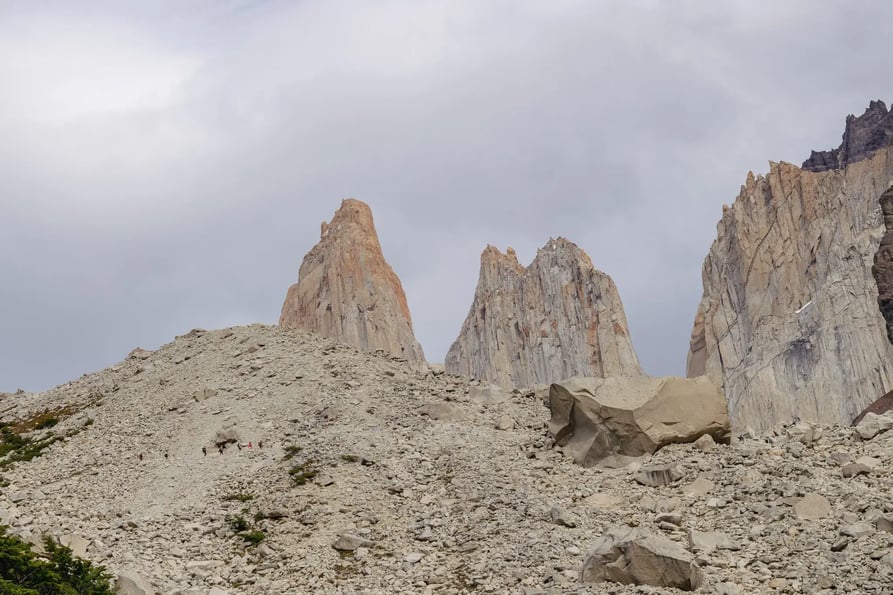
Photo: The last bit of the hike to the Base of the Towers. You can see the people walking beside the moraine.
Estimated total distance and elevation of the O Trek
For this classic O Trek variation, the total distance is approximately 131 km (81 mi). The total ascent is roughly 5,000–6,500 m (16,400–21,325 ft), and the total descent is generally similar.
The exact figures depend on your itinerary, how far you hike into French Valley, and how the route is measured.
Why these numbers matter
The O Trek in Patagonia is not just long; it is consistently demanding. What makes it challenging is the combination of distance, repeated climbs and descents, changing weather, and the fact that hikers are on the trail for multiple consecutive days. Stages like John Gardner Pass, French Valley, and Base Torres stand out not only for their scenery, but also for the physical effort they require.
For experienced hikers or those looking for a real trekking challenge in Torres del Paine, that balance of difficulty and scenery is exactly what makes the O Circuit so rewarding.
Our Sales representative, Matias, hiked the O Circuit; read more about his experience and recommendations in this interview.
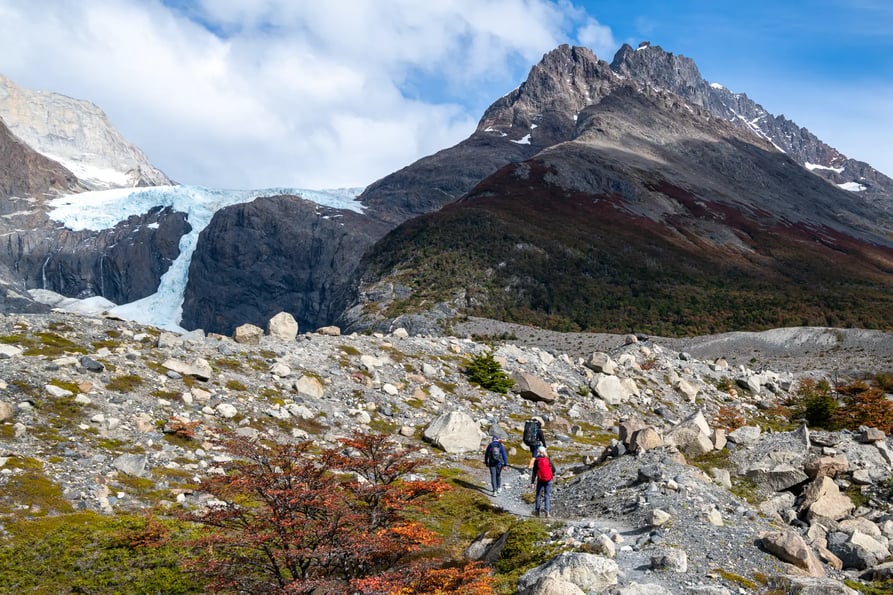
Photo: Glaciar Perro: You will pass by this glacier when hiking towards Refugio Los Perros.
How difficult is the O Trek? (And am I capable?)
The O Trek is considered moderate to challenging.
What makes it demanding:
-
Long hiking days (6–10 hours)
-
Uneven terrain. People are surprised by how rocky the trails are, which slows progress and requires more attention and balance.
-
Strong Patagonian winds and rapidly changing weather. Hiking for an entire day in rain and/or strong winds can be physically and mentally challenging.
-
Multi-day physical effort. The accumulation of long hiking days tires your body.
Curious to see how the O trek is day by day? Check out this video where we made a recap of each day:
Are you capable of hiking the O Trek?
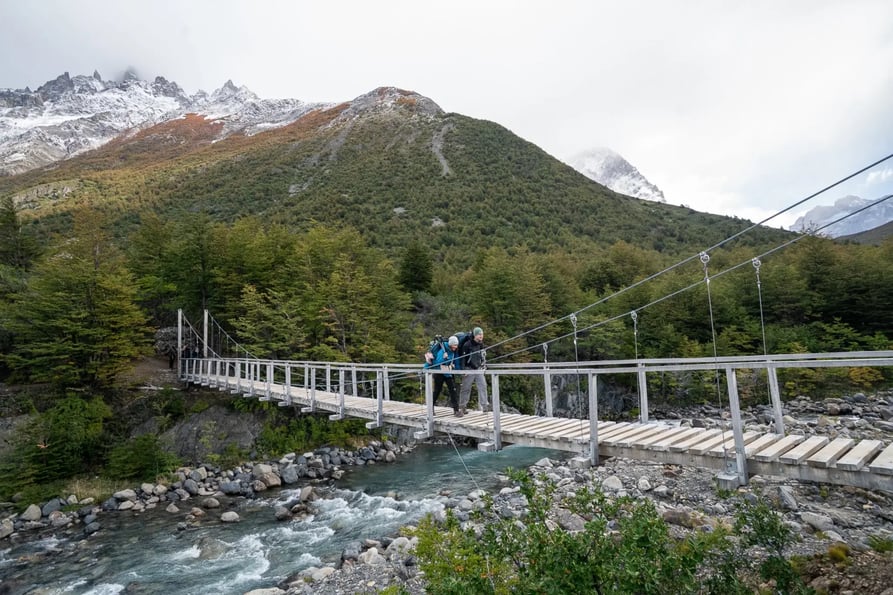
Photo: Crossing the bridge to get to the French Valley
You likely are if:
-
You can hike 15–20 km per day
-
You are comfortable carrying a backpack
-
You have good general fitness and motivation
-
You have a good balance and feel secure on uneven ground.
You don’t need technical climbing skills—but you do need endurance, preparation, and the right mindset. If you have any hip or knee issues that affect you in your daily life, this trek might be too demanding for you.
How to prepare physically for the O Trek
Preparing physically for the O Trek in Torres del Paine is one of the best ways to enjoy the experience and make the long hiking days in Patagonia more manageable. The O Circuit is more demanding than the W Trek, with multiple consecutive days on the trail, uneven terrain, river crossings, steep ascents, long descents, and changing weather conditions that can make each stage feel harder. Good fitness will not make the trek easy, but it will make it far more enjoyable.
A strong training plan for the Torres del Paine O Trek should focus on endurance, leg strength, balance, and recovery. Hiking for several consecutive days is very different from a single-day hike, so it is important to prepare your body for repeated effort. Long walks, hikes with elevation gain, stair climbing, and training with a loaded backpack are some of the best ways to simulate the demands of trekking in Patagonia.
Cardiovascular fitness is especially important for the O Trek. Regular activities such as hiking, brisk walking, running, cycling, or using a stair machine can help build stamina for long days on the trail. Strength training also plays a key role, particularly for the legs and core. Exercises like squats, lunges, step-ups, deadlifts, and planks can help improve stability and reduce fatigue on steep sections like John Gardner Pass, French Valley, and Base Torres.
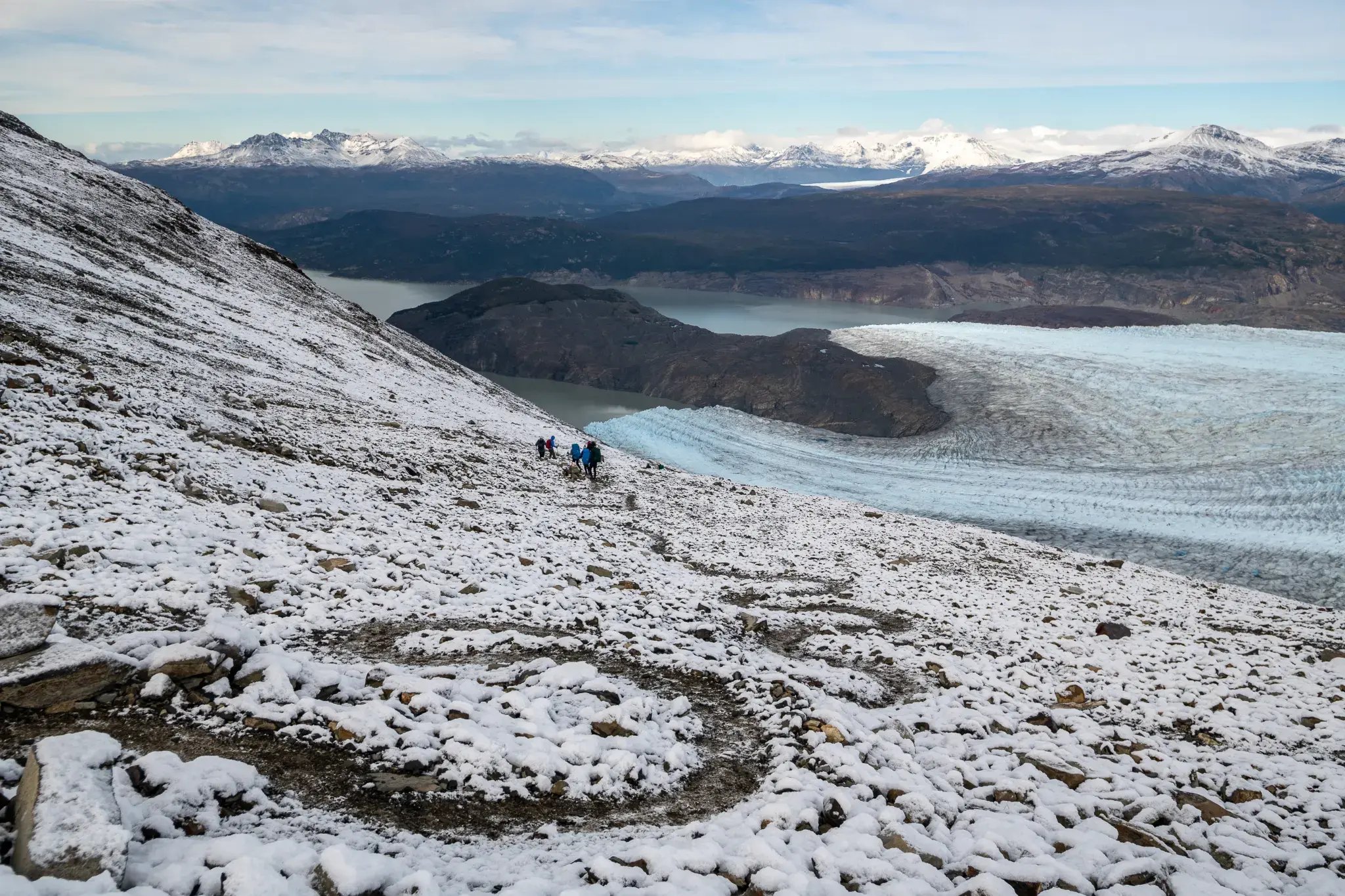
Photo: from the Paso Gardner, hiking down towards Refugio Grey with the view of Grey Glacier.
It is also a good idea to train with the gear you plan to use on the trek. Hiking boots should already be broken in, and your backpack should feel comfortable before arriving in Torres del Paine National Park. Practicing with weight will help your body adapt and give you a more realistic sense of how demanding the trail can feel after several days in a row.
If possible, begin training at least 8 to 12 weeks before the O Trek. Start gradually and increase the duration and difficulty over time. The goal is not just to build fitness, but to arrive in Patagonia feeling confident, strong, and ready to enjoy one of the most spectacular multi-day hikes in the world.
Follow this workout plan, made for the W trek, but it can also be applied to the Paine O Circuit.
Quick tips to prepare for the O Trek
-
Build endurance with long walks, hikes, or cardio sessions
-
Strengthen legs and core for steep climbs and descents
-
Practice hiking with a backpack
-
Train on uneven terrain when possible
-
Break in your hiking boots well before the trip
-
Focus on consistency rather than intensity (avoid overtraining, start out light if you haven't been training regularly).
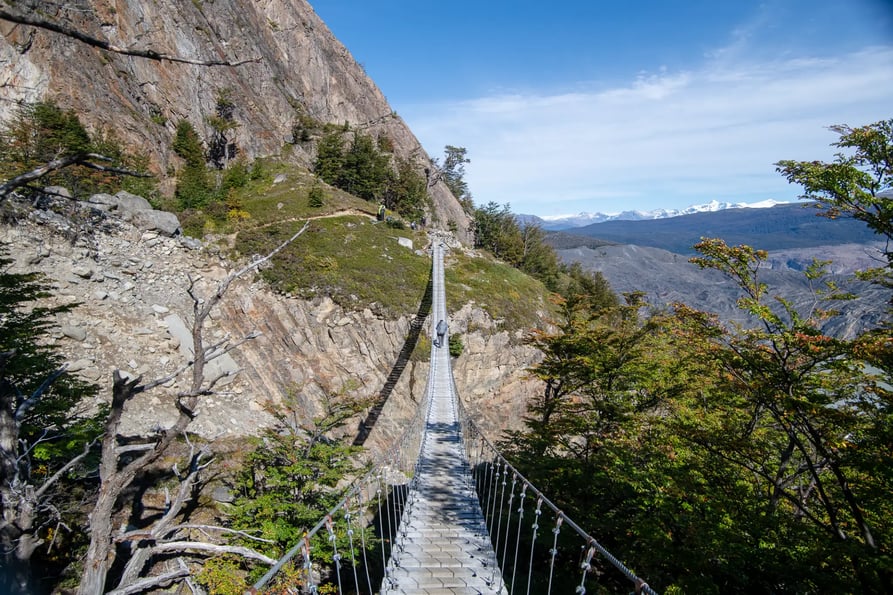
Photo: one of the three hanging bridges between Refugio Los Perros and Refugio Grey
O Trek vs W Trek: Which one is right for you?
O Trek
7–9 days
Full circuit around the massif
More remote and less crowded the first 3-4 days.
Greater physical challenge
The W Trek
4–5 days
Focuses on main highlights
More accessible
More popular and busier
Choose the O Trek if you want a deeper, more immersive experience, but also the challenges of crossing the Gardner Pass, where the weather can change from one minute to another.
Choose the W Trek if you prefer a shorter and more accessible adventure.
Where to sleep on the O Trek? Campsites & refugios
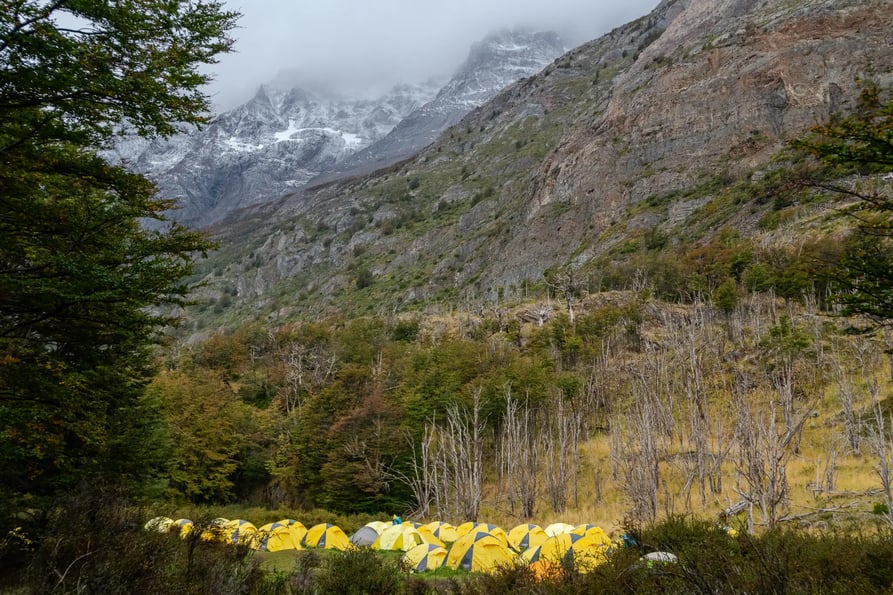
Photo: Refugio Grey campsite. Now the O trek connects with the W trek.
Along the O Circuit, accommodation is limited to designated campsites and refugios, and camping is only allowed at these official sites, not along the trail. Stoves may only be used in the cooking areas assigned at each campsite. Not following these rules can result in expulsion from the park and a substantial fine.
Campsites
Bring your own gear or rent equipment
Shared facilities (bathrooms, cooking areas)
The real camping experience, sleeping in a tent.
Refugios
Dorm-style accommodation (you will share a room with other people)
Meals available
Warm spaces and social atmosphere
Each campsite/refugio is different, but they all have a small shop to buy essentials, including WiFi and meals. This way, you do not have to bring a cooking stove and food, even though you stay in a tent.
Booking in advance is essential, especially during peak season. Some campsites have fewer seats than others, so they sell out faster.
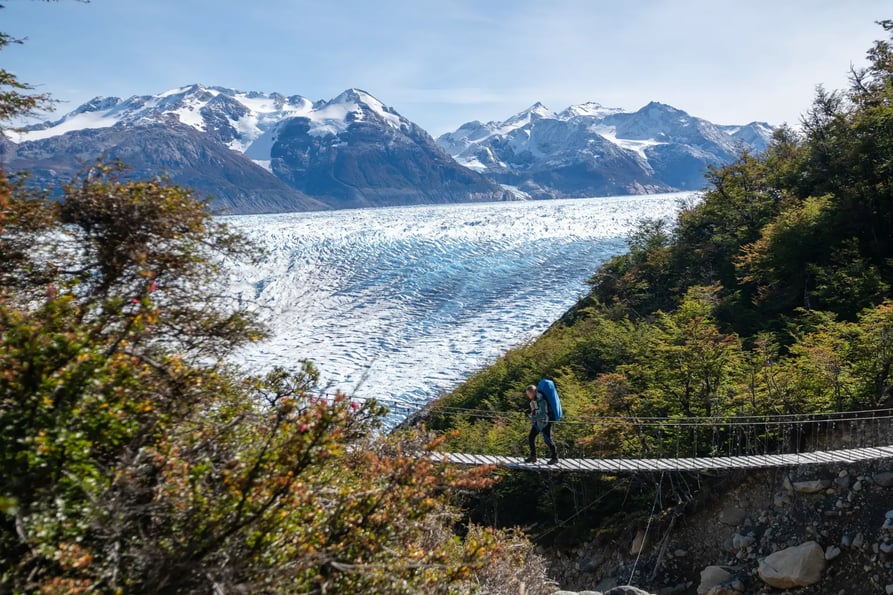
Photo: Crossing one of the hanging bridges towards Refugio Grey with the Grey Glacier in the background
What is the ideal hiking food in Patagonia?
If you choose to bring your own food, this is your food strategy depends on your trekking style:
Self-supported
Dehydrated meals
Pasta, rice, soups
Snacks like nuts, chocolate, and energy bars
Supported / full-board
Meals provided at refugios or camps
Packed lunches for the trail
No need to carry cooking gear
Balancing weight and energy intake is key to enjoying the trek. If you do the Paine Circuit with EcoCamp, all meals are included, and we even bring some extra surprises for our guests. You do not have to worry about anything; we take care of everything.
Porter service on the O Trek explained
If carrying a full backpack feels like too much, there are ways to lighten the load.
Porter services
Carry part of your gear between camps
Allow you to hike with a lighter pack
Improve overall comfort and enjoyment
In all our programs, we include porter service. You can see this video here, where we go through each program, explain how the porter service works, how much weight you can hand off to the porters, what to bring in your daypack, etc.
This flexibility allows you to adapt the trek to your comfort level.
Guided vs self-guided O Trek
Self-guided:
More independence
Requires detailed planning
Carry more responsibility
Guided:
Logistics fully organized. At EcoCamp Patagonia, our guides have years of experience and are highly praised by our guests.
Meals, accommodation, and support included
Experienced guides enhance safety and interpretation
A guided trek is ideal if you want to focus on the experience rather than logistics.
What should I pack for the Paine Circuit?
Packing well can make or break your experience in Patagonia.
Essential clothing
-
Waterproof jacket and pants
-
Insulating layers (fleece or down jacket)
-
Moisture-wicking base layers
-
Gloves, hat, and buff
Footwear
-
Sturdy hiking boots (well broken-in, don´t try them on this hike, it can be your biggest mistake!)
-
Comfortable camp shoes (like sandals, crocks, or tennis shoes. Something lightweight and comfortable)
Backpack essentials
-
40–70L backpack (depending on style). If you have porter service, a 30-40L backpack should be enough.
-
Trekking poles (highly recommended, if you are not used to using them, train beforehand).
-
Headlamp (mostly relevant in spring or autumn)
-
Reusable water bottles or hydration systems. You will be able to refill on the trails.
-
Sunscreen, minimum factor 50
-
Sunglasses
-
Personal First Aid Kit (like medicine, plasters, blister tape, etc.)
-
Quick Dry towel
-
Power bank
Camping essentials
If you are only paying for campsites and nothing else, the most essential camping equipment to bring is:
-
4-season or sturdy 3-season tent (good quality for the windy days)
-
Sleeping bag
-
Sleeping pad
-
Backpack (minimum 65L)
-
Dry bags or a plastic bag to keep things dry in the backpack
-
Camping stove and fuel
-
Cooking pot and utensils
-
Food for the days you will be camping
See more details in our checklist for Torres del Paine Trekking Adventure
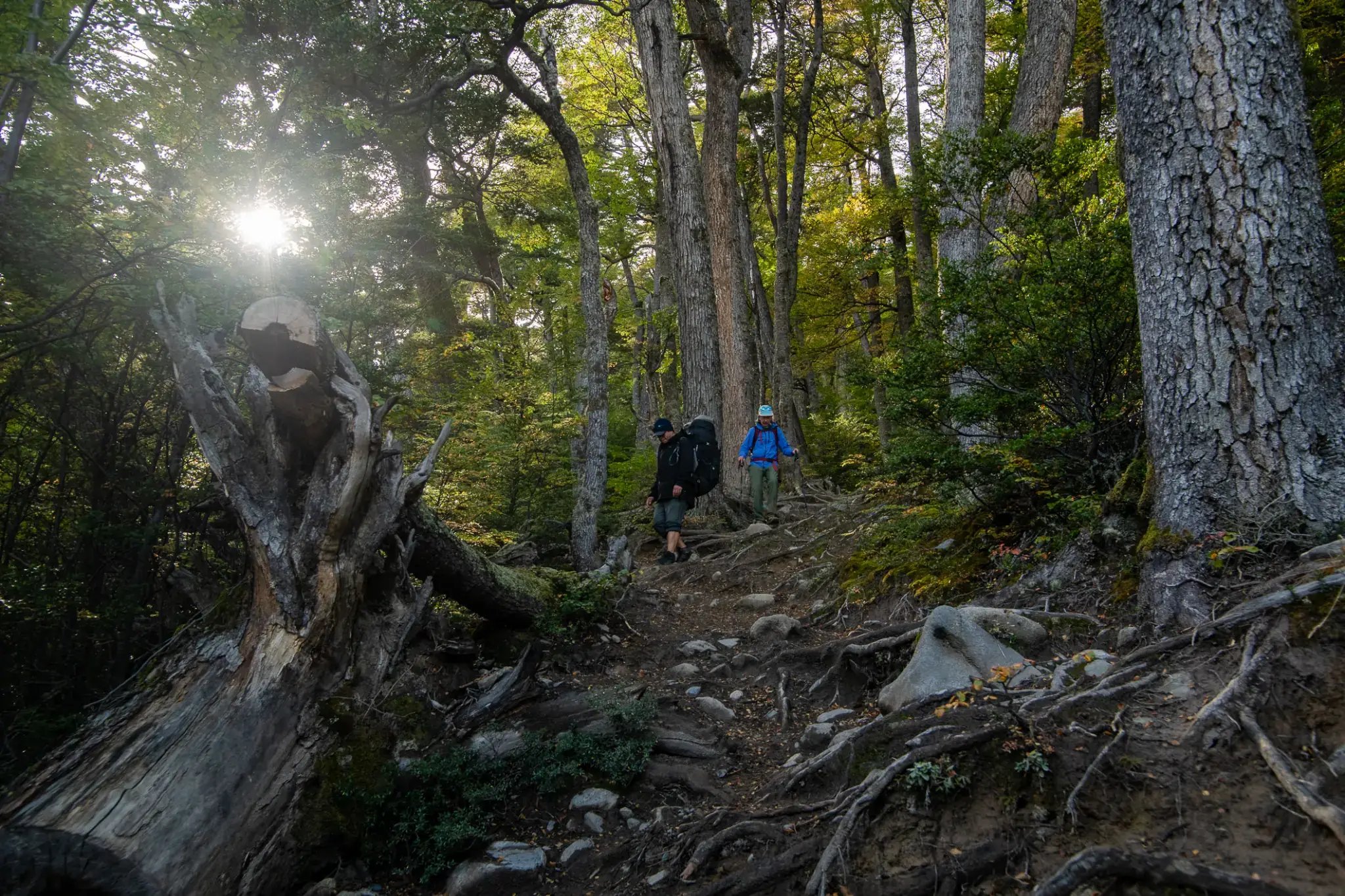
Photo: walking down, through the forest, towards Refugio Grey. This part can be very muddy sometimes
Experience the O Trek with support
For those looking to experience the full Paine Circuit with greater comfort and expert guidance, programs like the 9-day Torres del Paine Circuit offer a well-balanced approach.
These experiences typically include:
-
Organized accommodation throughout the trek
-
Meals and logistics handled for you
-
Professional guides
-
The opportunity to fully enjoy the landscape without worrying about planning details
This is an ideal option for travelers who want to experience the O Trek in a more seamless, supported way while still embracing the adventure.
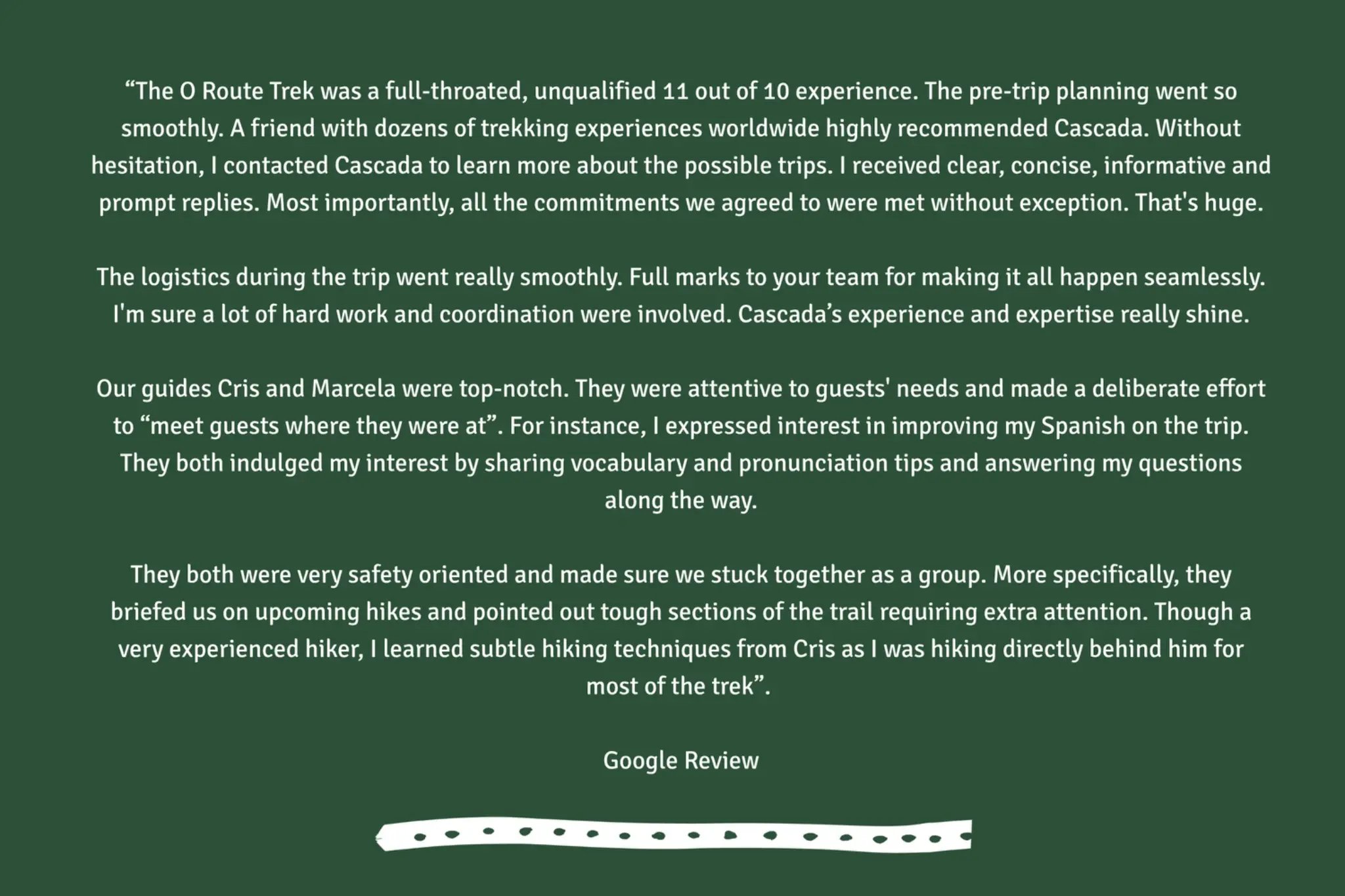
This comment we got from one of our guests, who booked their experience through our agency Cascada Expediciones, sums up pretty well how it is when you choose an organized trip with local people:
Safety during the O Trek
The O Circuit takes hikers through some of the most remote and exposed landscapes in Torres del Paine National Park. In November 2025, extreme weather conditions on the circuit led to a tragic accident in which five trekkers lost their lives in a snow blizzard. We extend our deepest sympathies to their loved ones and to all those affected.
This event was a powerful reminder that Patagonia’s mountain weather can shift rapidly. Strong winds, snowfall, low temperatures and reduced visibility can create challenging conditions, particularly in isolated areas of the trail. Following official trail alerts, respecting park restrictions and making informed decisions are essential parts of responsible trekking in Torres del Paine.
We only offer guided programs, as safety is very important to us. You travel with experienced local guides who understand the route, monitor weather forecasts and assess conditions on the ground. They make decisions based on their experience to ensure maximum safety of our guests.
We work in line with national park regulations and current safety protocols, while ensuring that each traveler is properly supported throughout the journey. Although adventure travel always depends on natural conditions, joining a guided O Circuit trek with the right equipment, preparation and professional leadership provides an important extra layer of confidence in Patagonia.
Final thoughts: Is the O Trek worth it?
Absolutely.
The O Trek is far more than a hike. It is one of Patagonia’s most rewarding long-distance treks, combining raw wilderness, physical challenge, and some of the most extraordinary scenery in Torres del Paine National Park. For experienced hikers, it offers something increasingly rare: the feeling of truly venturing deep into a wild and remote landscape, far beyond the most visited trails.
What makes the O Circuit so special is not only its beauty but the sense of achievement that comes with it. From the quiet forests of the northern circuit to the demanding crossing of John Gardner Pass and the iconic views of Grey Glacier, French Valley, and Base Torres, each stage reveals a different side of Patagonia. It is a trek that asks more of you but gives back even more.
For hikers looking for a real challenge, the O Trek is absolutely worth it. It is demanding, immersive, and unforgettable — the kind of adventure that stays with you long after you leave the trail.
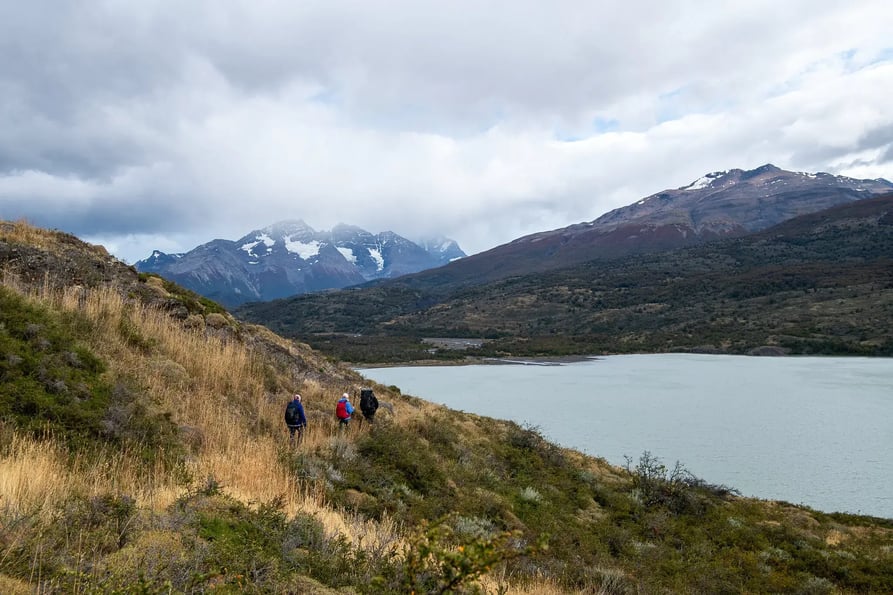
Photo: Hike from Refugio Serón to Refugio Dickson.
Do you want us to organize your next big trekking adventure? Read more details about our Torres del Paine Circuit and send us an email!