







Patagonia Chile is one of the most diverse natural regions in South America. Many travelers visit the area to see Torres del Paine National Park, but the region offers much more than one national park. Glaciers, fjords, wide steppe landscapes, and remote islands all shape Patagonia.
For travelers planning Torres del Paine tours, it is worth exploring areas outside the park as well. In addition to the park, the entire region offers many opportunities. Hiking, wildlife observation, sailing, and visits to traditional estancias all show different sides of Patagonia.
Below are some of the most important Patagonia Chile highlights.
Visit estancias of rural Patagonia
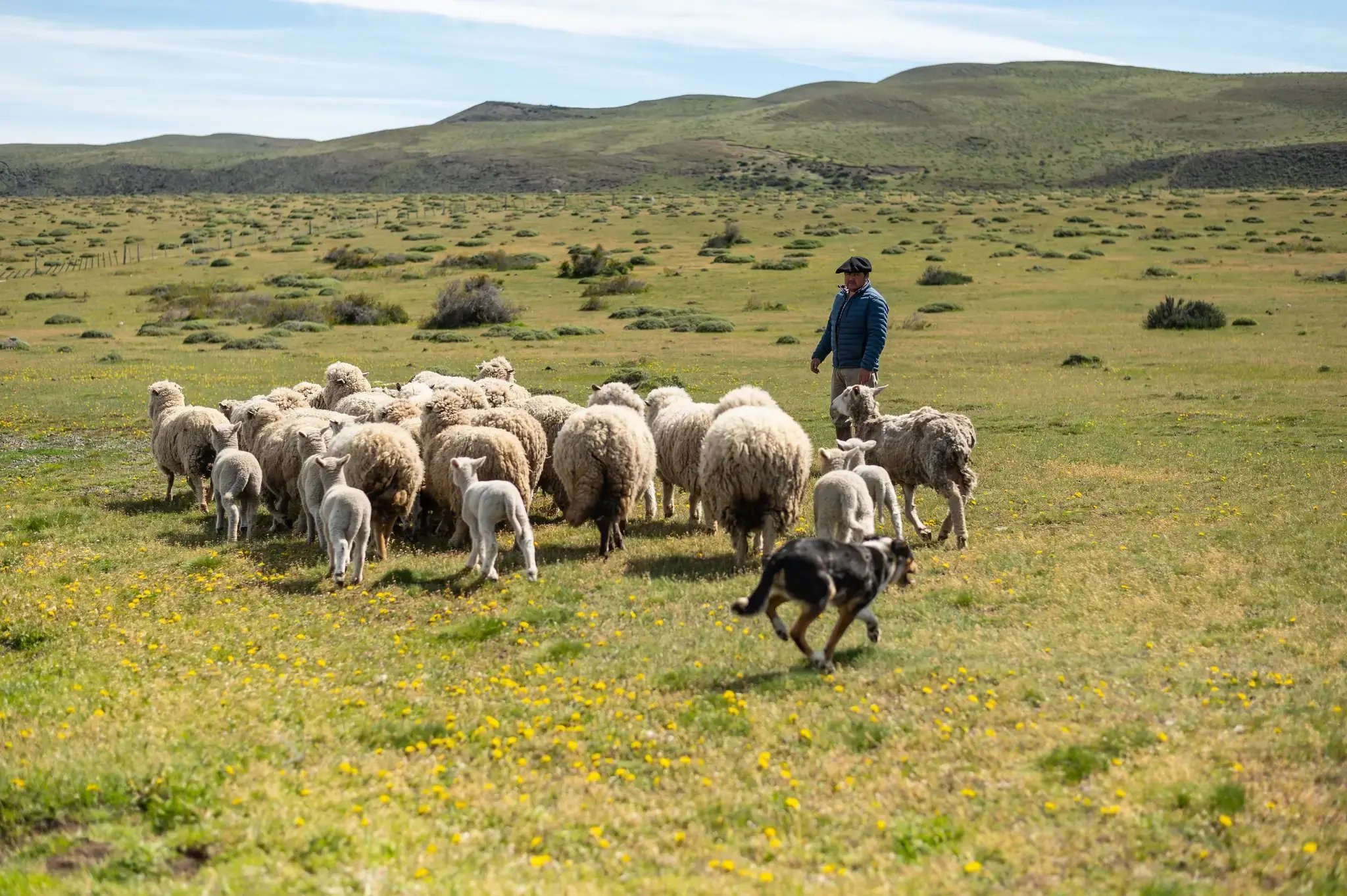
A history of sheep ranching has also shaped Patagonia, contributing to the local economy and culture. Large sheep farms, called estancias, have been part of the region since the end of the 19th century producing wool and meat. Visiting one helps you learn about rural life in Patagonia.
You may meet local families, try traditional food like "asado al palo," where the lamb is slowly roasted over a fire, and experience gaucho culture with horseback riding and sheep shearing.
As part of our Wildlife Safari program, you can visit Estancia Dos Elianas. This farm has 800 to 1,200 sheep grazing on the Patagonian steppe.
Observe Patagonia animals in the wild
Wildlife is another important reason people visit Patagonia Chile. The region has different ecosystems, including open plains, wetlands, forests, and mountains. These habitats support many animals.
You can spot:
-
Guanacos, which live in large groups across the steppe
-
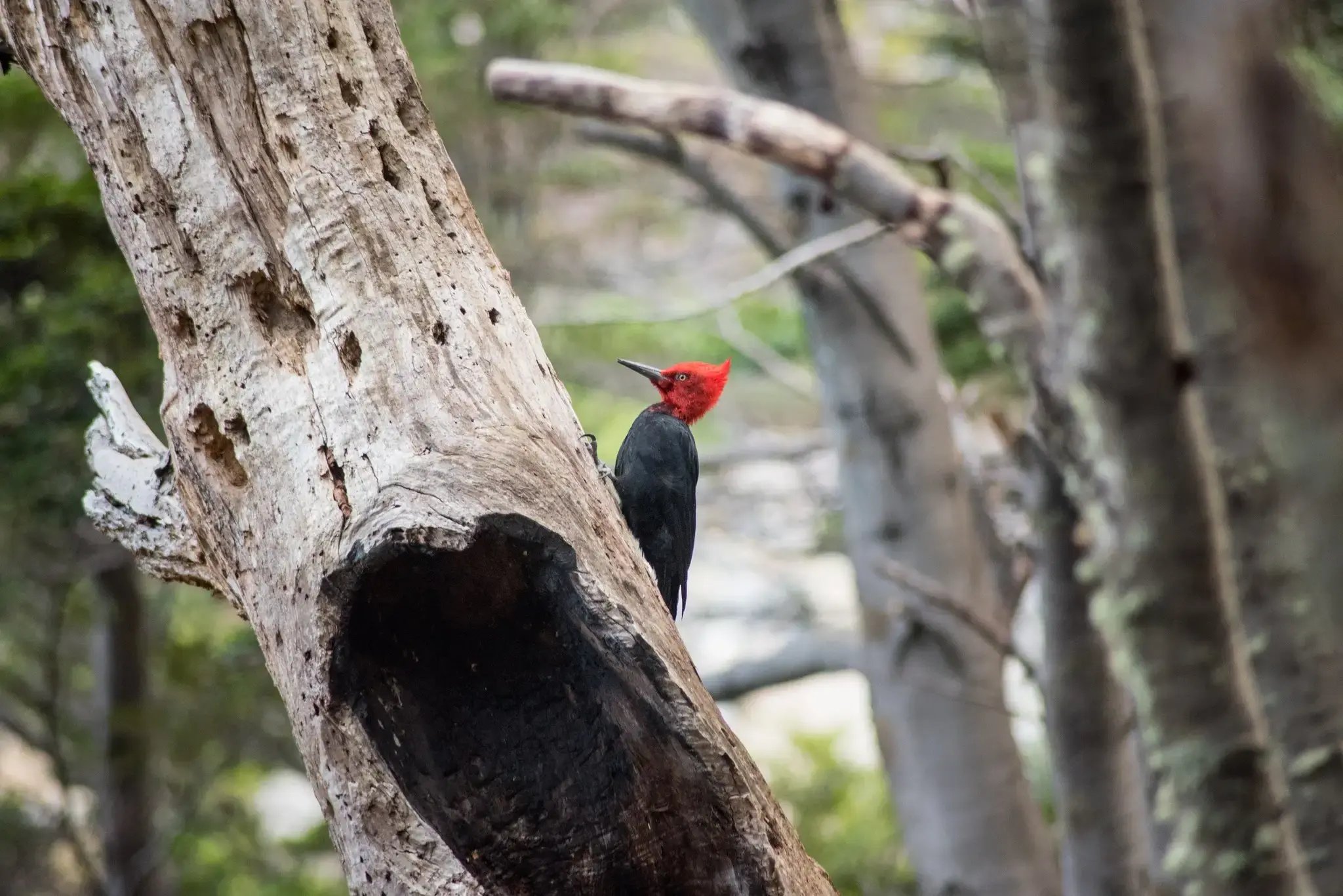
The Magellanic woodpecker in trees
-
Andean condors flying high above the mountains
-
Patagonian foxes (the red and the gray, different from those in the US) near trails and open valleys
-
Flamingos feeding in lagoons and wetlands
-
And much more like Patagonian-haired armadillos, chingue (a type of Latin American skunk), nandus, and plenty of birds
For travelers who want to focus on wildlife, the Patagonia Wildlife Safari explores areas where animals are often seen. This program combines short walks, scenic drives, boat tours, and cultural encounters.
Track pumas
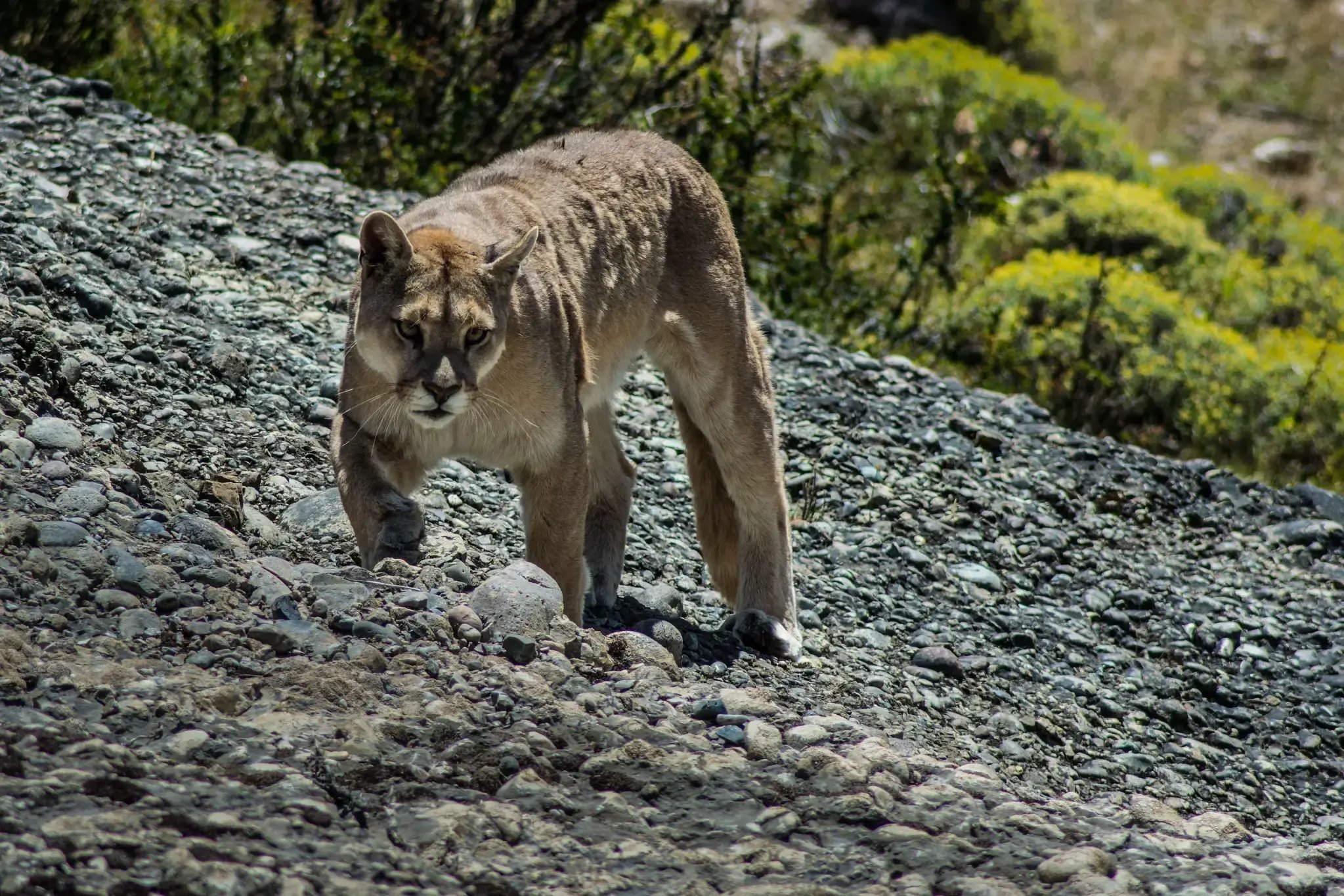
One of the most interesting Patagonia animals is the puma. These predators live in the open plains around Torres del Paine. The area has a large population of guanacos, which are the puma’s main prey.
Special tracking programs let visitors explore these landscapes with skilled guides. Searching for tracks, prey remains, and other clues, guides work to locate pumas. Upon finding them, they observe the animals from a safe distance, ensuring no disturbance to the cats in their habitat.
Sail near glaciers and fjords
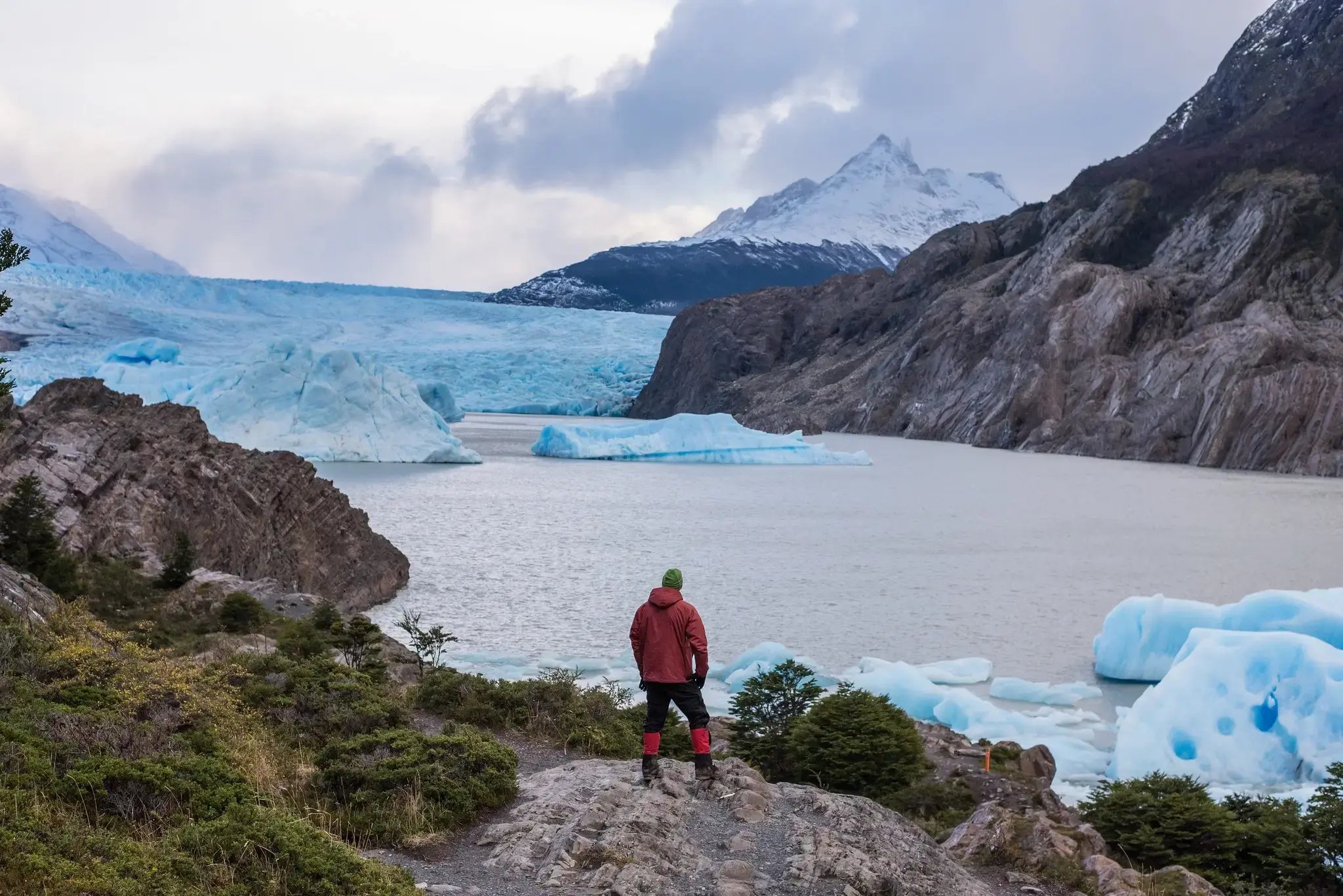
Water is an important part of the landscape in Patagonia Chile. Glaciers feed many lakes, rivers, and fjords across the region. Sailing near glaciers allows you to observe large ice walls and floating icebergs.
In Torres del Paine National Park, boat trips across Lake Grey offer views of Grey Glacier. Another option is sailing from Punta Arenas to nearby Magdalena Island to see Magellanic penguins. From Punta Arenas, you can cross the Magellan Strait and watch humpback whales. Or join a four-day cruise to explore the fjords of Tierra del Fuego.
You will find even more trips available. Cruises lasting several days from northern Chilean Patagonia allow you to discover remote coastal landscapes and experience another side of Patagonia.
Hike in Patagonia Torres del Paine
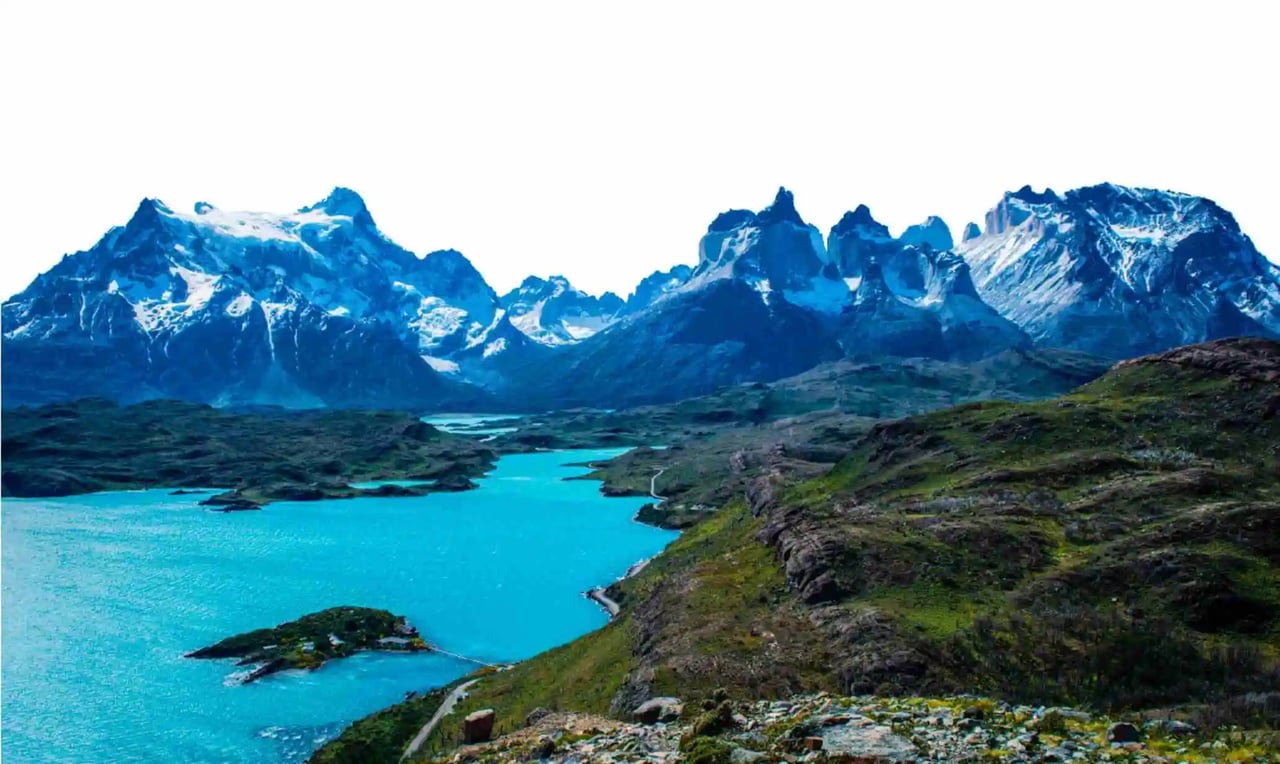
The mountains of Patagonia Torres del Paine are the most famous landscape in Chilean Patagonia. The national park covers more than 240,000 hectares. Its granite towers, blue lakes, glaciers, and many hiking trails make it known worldwide.
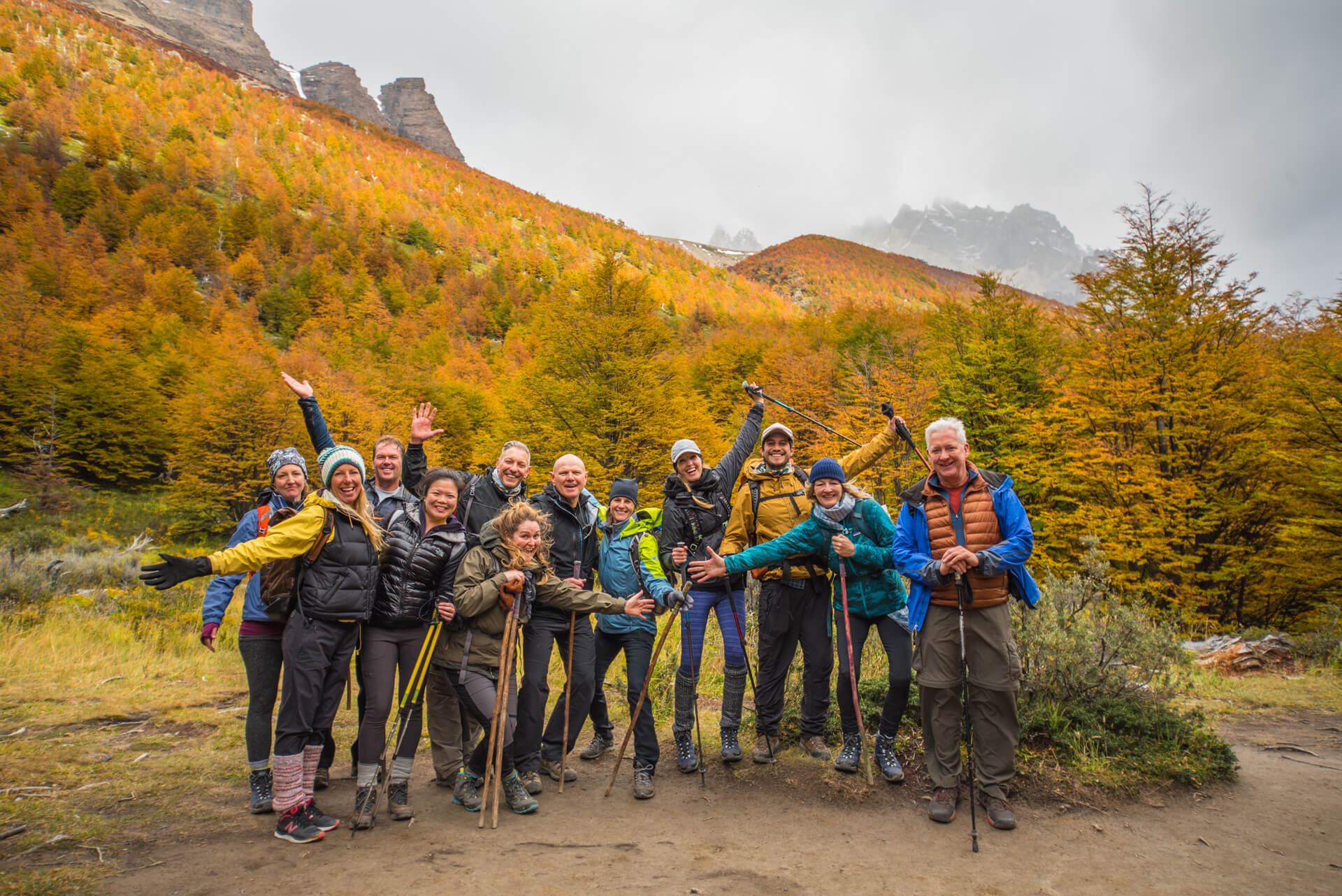
Many visitors join guided Torres del Paine hiking tours to explore the most scenic areas. Trails pass through forests, along lakes, and into valleys.
A popular route is the Torres del Paine W Trek. This multi-day hike (4-5 days) connects several of the park’s best viewpoints, like the Base of the Towers and the Grey Glacier. During winter, when fewer visitors are in the park, you can also explore the park through the Winter W Trek.
Or if you're more into a challenge, you can opt for the Circuit (also known as O Trek), which takes 8 to 10 days.
Even if you're not a person who likes hiking that much, there are many options of lighter day or halfday hikes.
Explore Patagonia National Park
Another important destination in Patagonia Chile is Patagonia National Park, located in the Aysén region along the Carretera Austral. The park was officially created in 2018 as part of a major conservation project led by Tompkins Conservation, which transformed former sheep ranches into protected land.
Today, Patagonia National Park covers more than 300,000 hectares of steppe, mountains, and wetlands. These ecosystems support a wide range of Patagonia animals, including guanacos, pumas, Andean condors, and the endangered huemul deer.
The park is also known for its rewilding efforts, with restored habitats and improved wildlife corridors. Visitors can explore scenic hiking trails and valleys such as Chacabuco, often with far fewer crowds than Patagonia Torres del Paine.
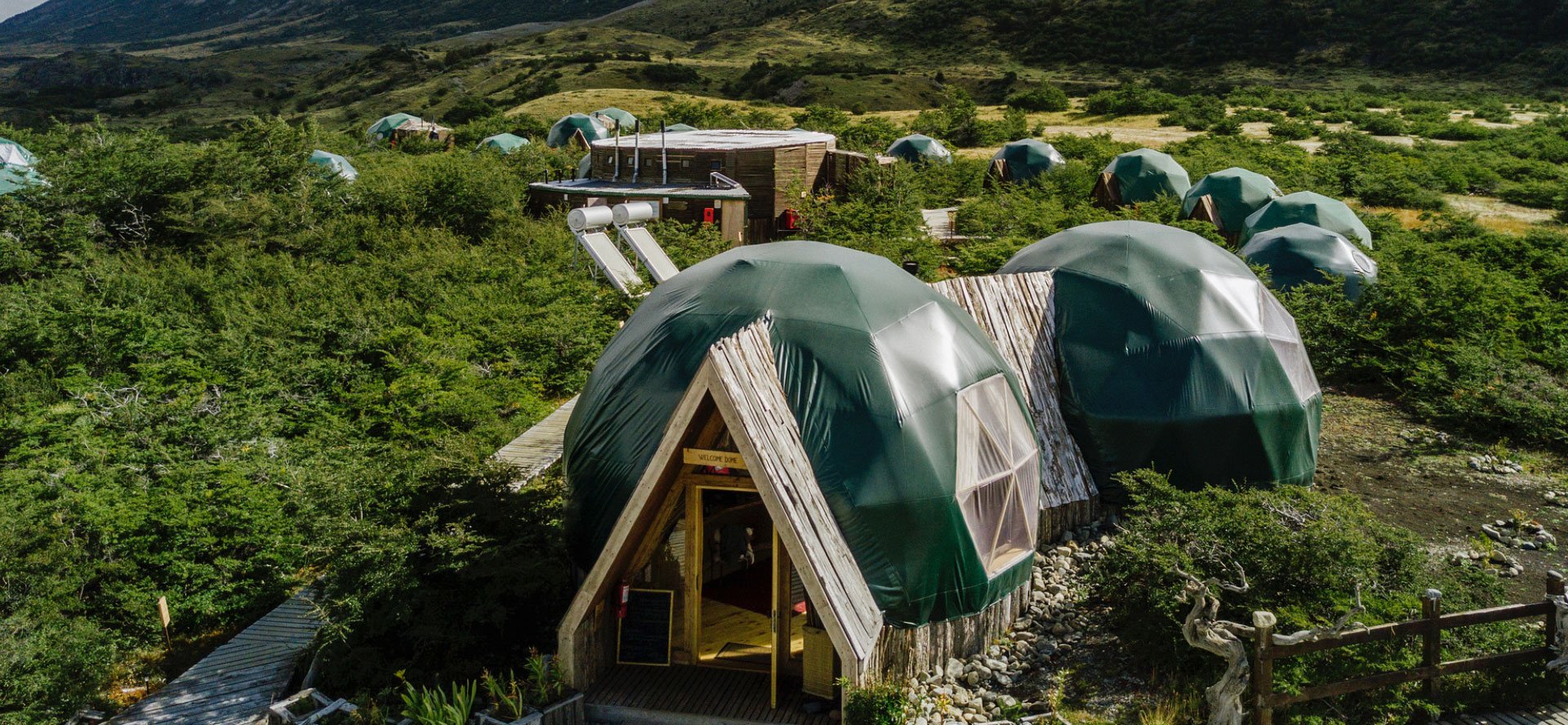
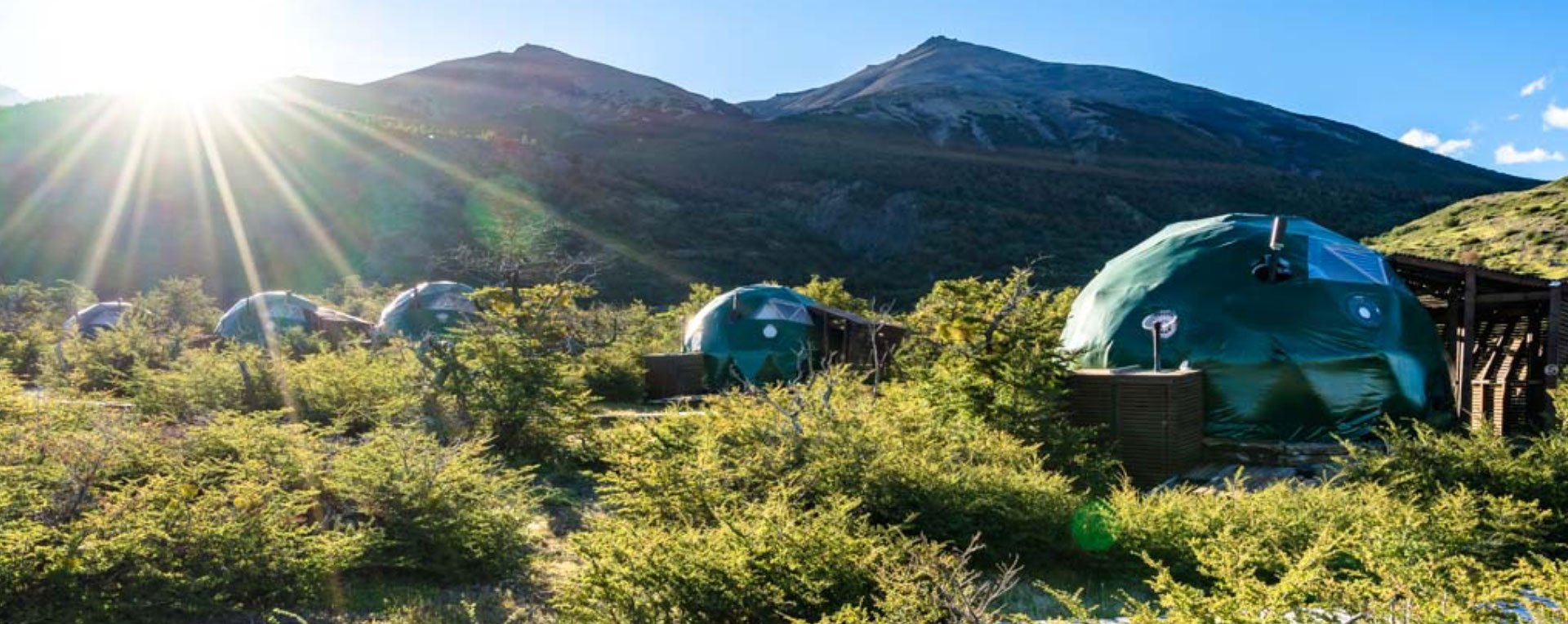
For travelers interested in exploring the region with experienced guides, EcoCamp offers several programs focused on nature, wildlife, and outdoor activities. Explore the available tours.