







Patagonia is a land of vast horizons, dramatic skies, and untamed nature. Among all the ways to explore this remote region, fly fishing in Patagonia might push you out of your comfort zone. It is not simply about catching fish, it is about rhythm, patience, and connecting with the wild character of the region.
What is fly fishing?
Fly fishing is a method of fishing that relies on precision, technique, and understanding of aquatic ecosystems. Instead of using weighted bait, anglers cast a lightweight artificial fly that imitates insects or small prey found naturally in the river. The fisherman presents the fly to the fish in a way that copies the behavior of a natural insect or baitfish. Anglers usually stand in the water wearing waders and carry a landing net. This technique can be used to catch both freshwater and saltwater species.
The challenge lies in presentation. Successful fly fishing requires reading the water, understanding fish behavior, and adapting to conditions such as wind, light, and water flow. This makes fishing in Patagonia particularly engaging, as every river and lake behaves differently depending on weather and seasons.
For beginners, fly fishing in Patagonia is highly approachable. Guided experiences focus on learning the basics: casting techniques, knot tying, and river reading. While more experienced anglers can refine their skills in technical waters. The emphasis is always on respect for nature, observation, and enjoyment rather than numbers or competition.
The difference between fly fishing and traditional fishing
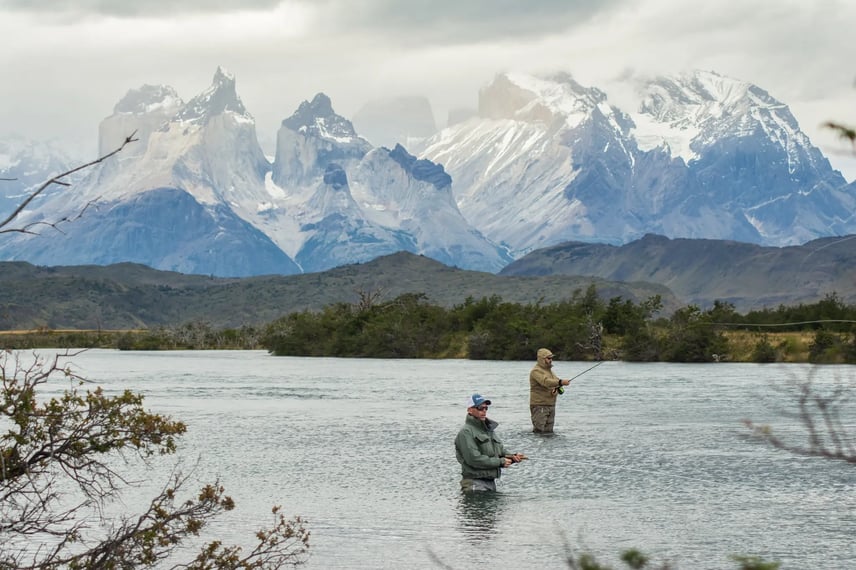
The main difference between fly fishing and traditional fishing lies in how the lure is cast and how fish are attracted. In conventional fishing, weight comes from the lure or sinker, allowing anglers to cast heavy bait far into the water. In fly fishing, the weight comes from the fly line itself, not the fly. The fly is almost weightless and is designed to imitate insects or small prey that naturally appear on or below the water’s surface.
This difference changes the entire approach. Fly fishing requires:
- Controlled casting technique rather than strength
- Accurate placement of the fly instead of long-distance casting
- Continuous reading of currents, depth, and fish behavior
Unlike traditional fishing, fly fishing is usually done standing in the river using waders, allowing anglers to approach fish more discreetly. Because presentation matters more than bait, fly fishing tends to be more selective and technical, especially in clear waters like those found in Patagonia.
Fly fishing in Patagonia
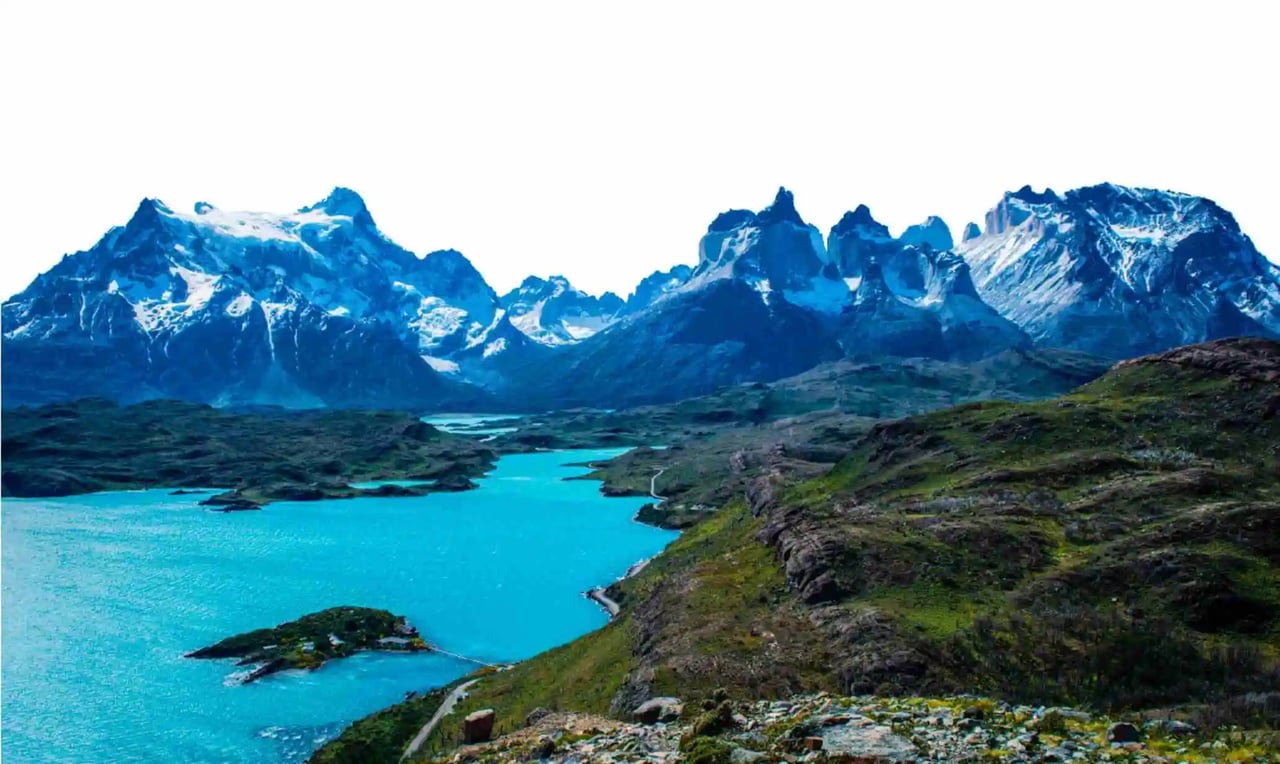
One of the most remarkable aspects of Patagonia fishing is the diversity of scenery. An angler may fish open steppe rivers one day and glacier-fed lakes the next, all within the same region. In Patagonia, fishing is rarely just about the water. It is about the entire environment surrounding it.
Seasonality adds another layer to the experience. Long summer days allow extended time on the river, while changing conditions require adaptability. This dynamic environment challenges anglers while rewarding them with moments of focus and reflection.
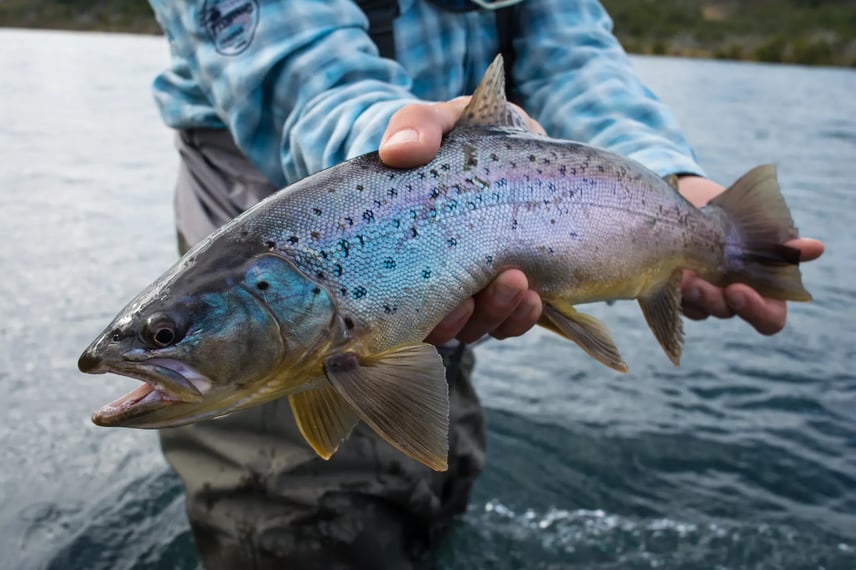
Fed by glacial meltwater and protected landscapes, rivers and lakes create ideal conditions for diverse and healthy fish populations. Anglers fishing in Patagonia commonly encounter brown trout, rainbow trout, and brook trout. These species thrive in cold, oxygen-rich waters. They are known for their strength and selectiveness, qualities that make fly fishing especially engaging. Other species can also be found, such as golden dorado and chinook salmon.
Anglers especially prize brown trout for their intelligence and power, as they are often tricky to catch. Rainbow trout are more aggressive and dynamic, offering exciting strikes and energetic fights. Brook trout are typically found in lakes and valued for their striking colors.
Where can you go fly fishing?
Fly fishing in Patagonia takes place across a vast region, but certain areas stand out for their access, fish populations, and landscape diversity.
Torres del Paine National Park and surroundings
The Río Serrano, flowing from the Southern Patagonian Ice Field, is one of the most well-known rivers in the area and offers excellent opportunities for brown and rainbow trout. Nearby lakes such as Lake Toro and Lake Porteño also provide productive still-water fishing, especially when conditions are calm.
While Torres del Paine tours are often associated with trekking, wildlife watching, and photography, fly fishing offers a quieter and more contemplative way to explore the region.
Northern Patagonia: Aysén region
Further north, the Aysén Region is considered one of Chile’s premier fly fishing destinations. Rivers such as the Río Baker and Río Simpson are known for strong currents, clear water, and healthy trout populations. Lakes including Lake General Carrera, one of the largest lakes in South America, offer expansive fishing grounds with changing conditions throughout the day.
Towns like Coyhaique and Puerto Río Tranquilo act as access points to these waters, providing logistical support while remaining close to remote fishing areas.
Lakes and rivers of southern Patagonia
In southern Patagonia, beyond Torres del Paine, fly fishing is common in rivers flowing toward fjords and coastal areas. The Río Grande, Río Gallegos, and surrounding waters support both trout and migratory species depending on the season.
Fly fishing season
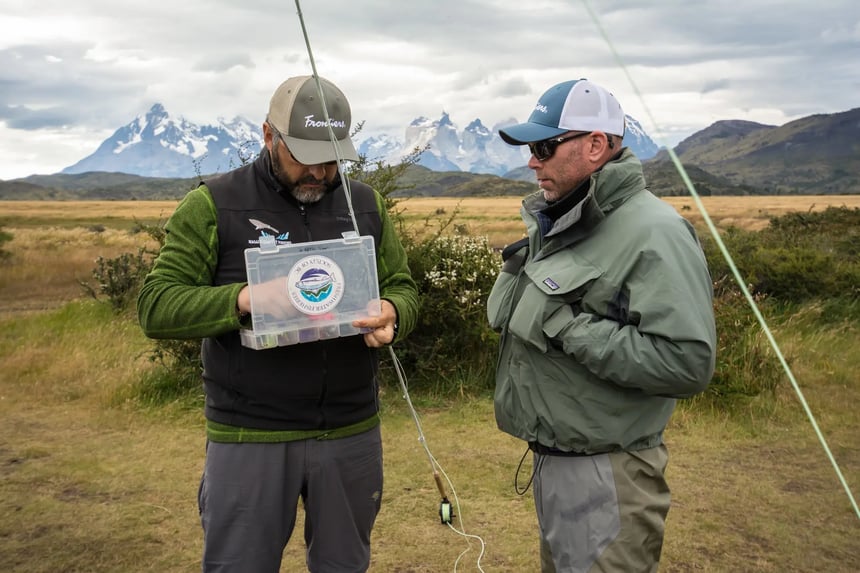
The fly fishing season in Patagonia generally runs from mid-October or November to April, aligning with the austral spring, summer, and early autumn. Each part of the season offers different advantages depending on weather, water levels, and fish activity.
-
Mid-October/November–December (Spring): Rivers run high from snowmelt, and fish are active after winter. This period is ideal for experienced anglers comfortable with stronger currents.
-
January–February (Summer): Warmer temperatures, stable water levels, and long daylight hours make this the most popular time for fly fishing in Patagonia. Insect activity is high, offering excellent dry-fly opportunities.
-
March–April (Autumn): Cooler temperatures, fewer visitors, and clear water conditions define the late season. Fish feed aggressively before winter, making this a productive and quieter time on the river.
Weather in Patagonia can change quickly at any time of year, so flexibility and proper gear are essential. Wind, temperature shifts, and rain are all part of the experience and directly influence fishing conditions.
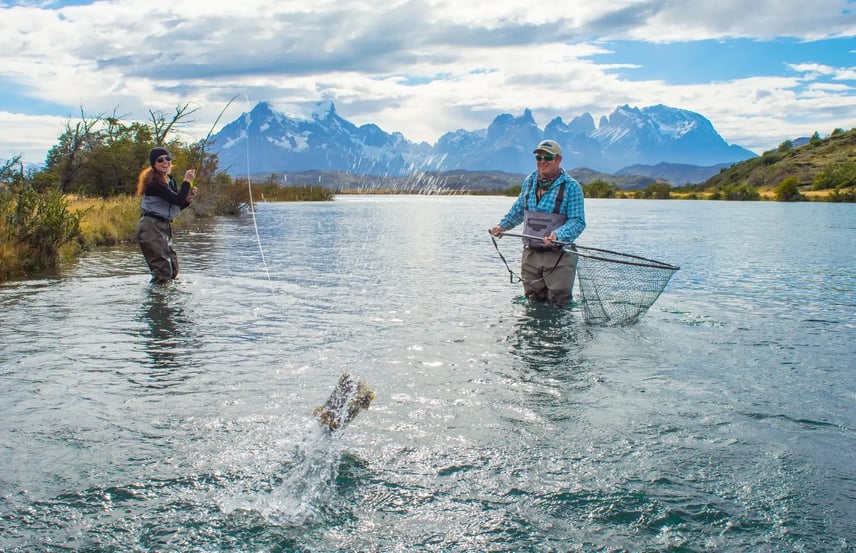
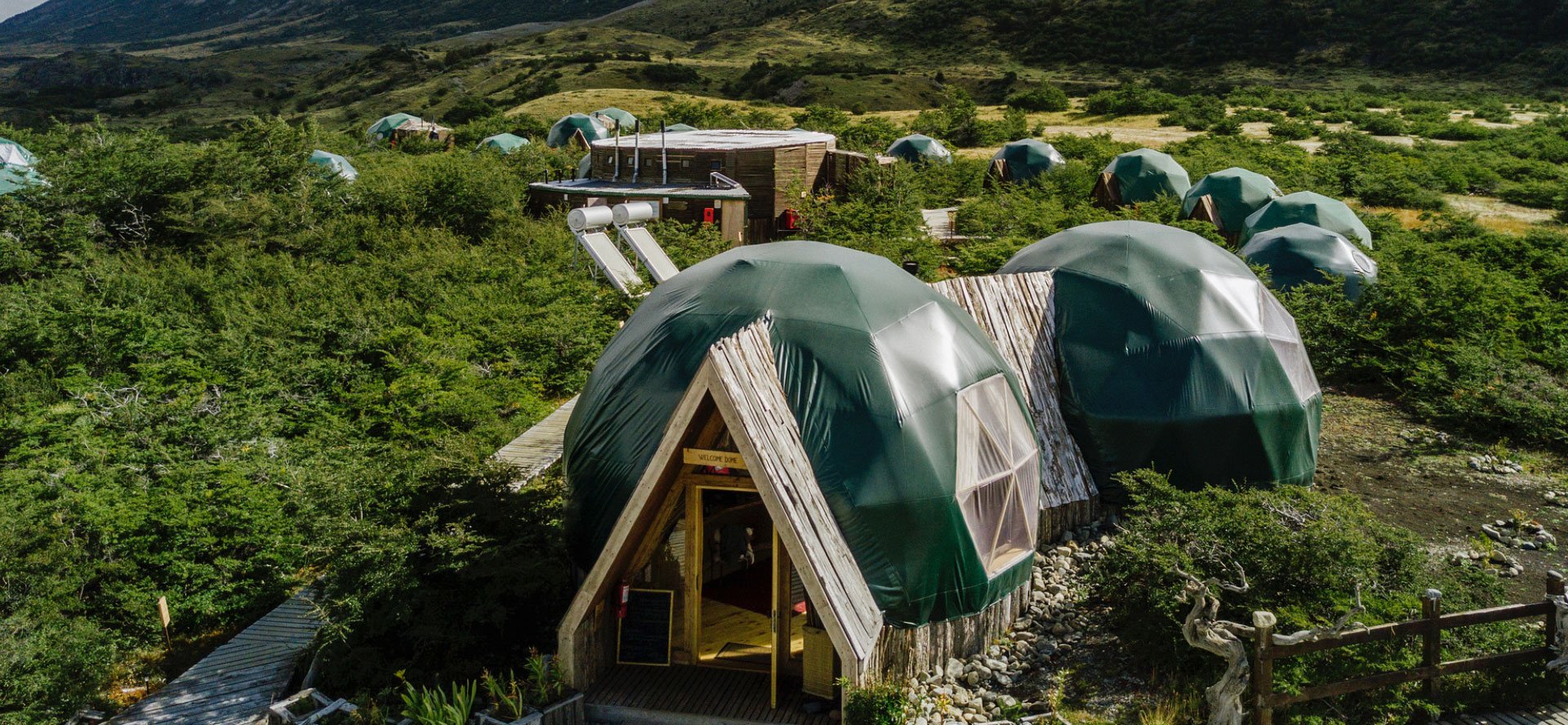
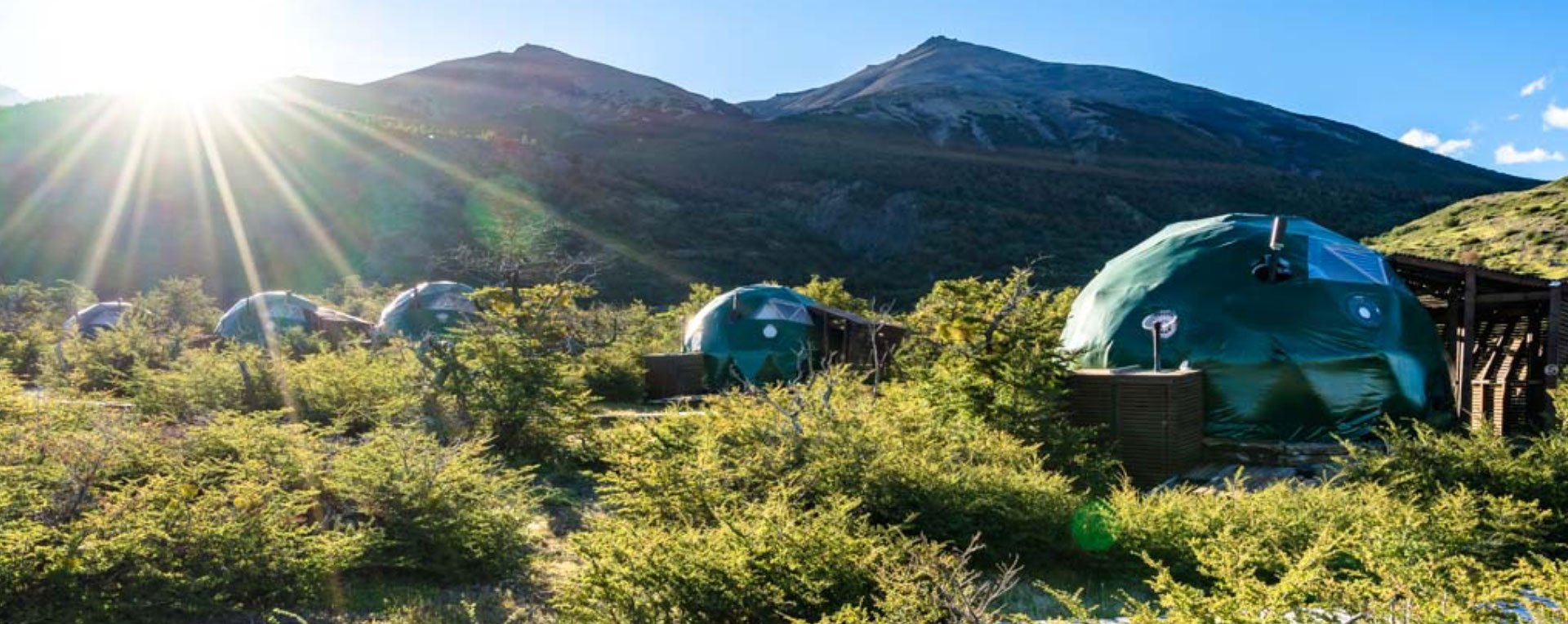
Would you like to try fly fishing? Join our excursion which can be booked as an extension of your EcoCamp stay.