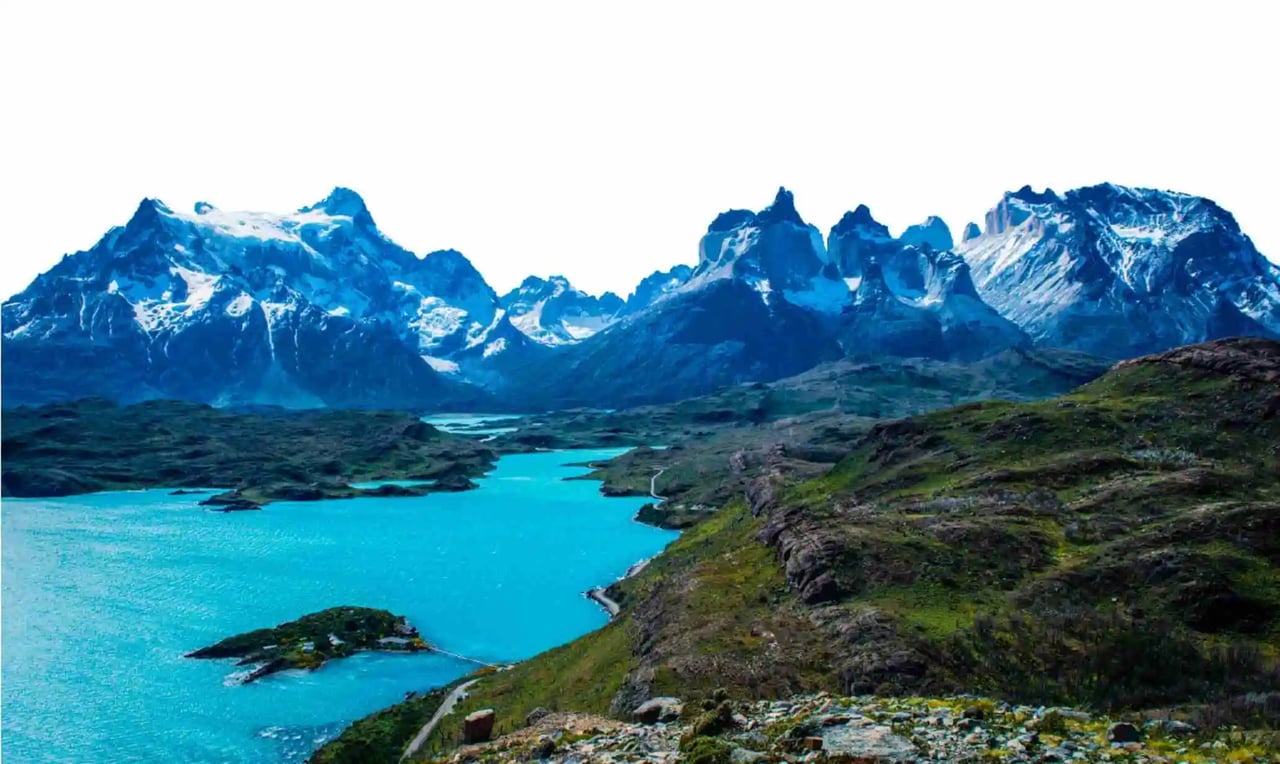
Low-Impact Tourism in Patagonia
Tourism worldwide has a direct impact on ecosystems and the climate. Recognizing this challenge, EcoCamp Patagonia operates under a model focused on steadily reducing our environmental footprint and protecting Torres del Paine National Park.
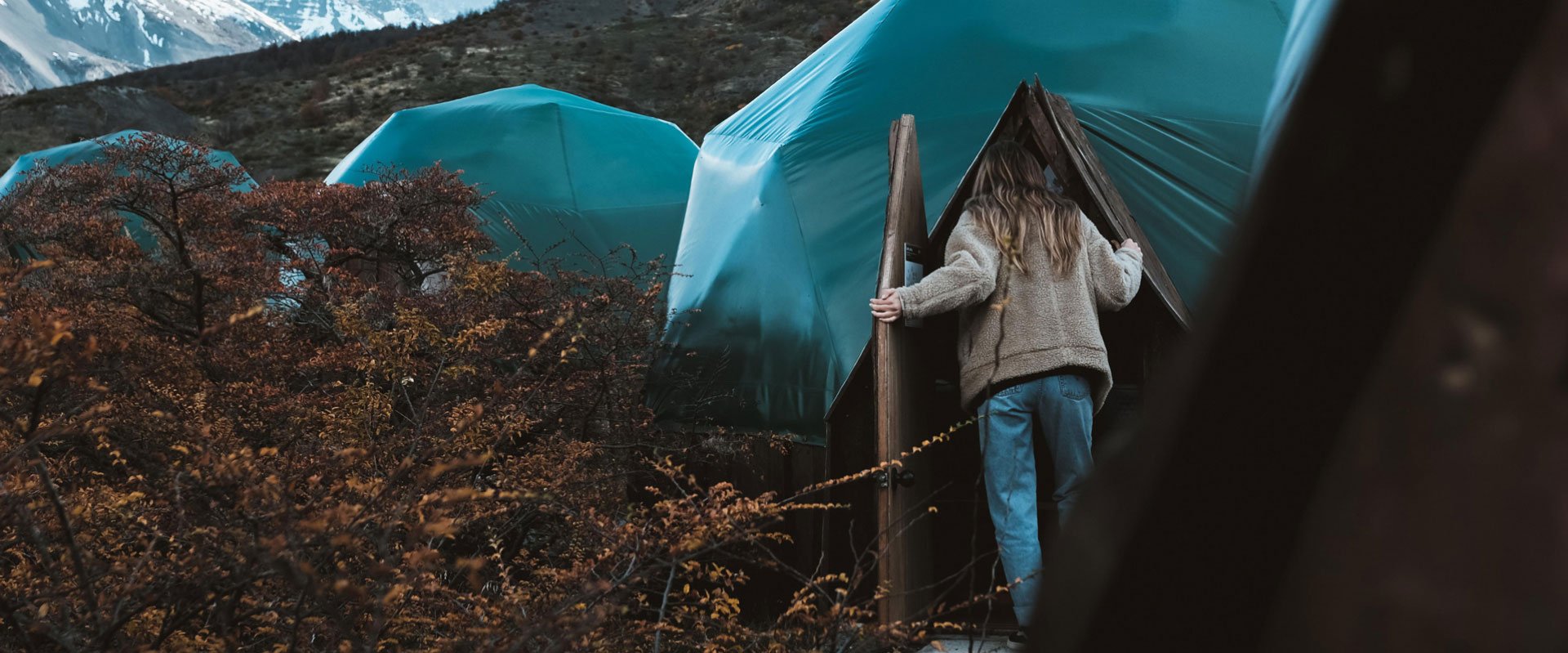
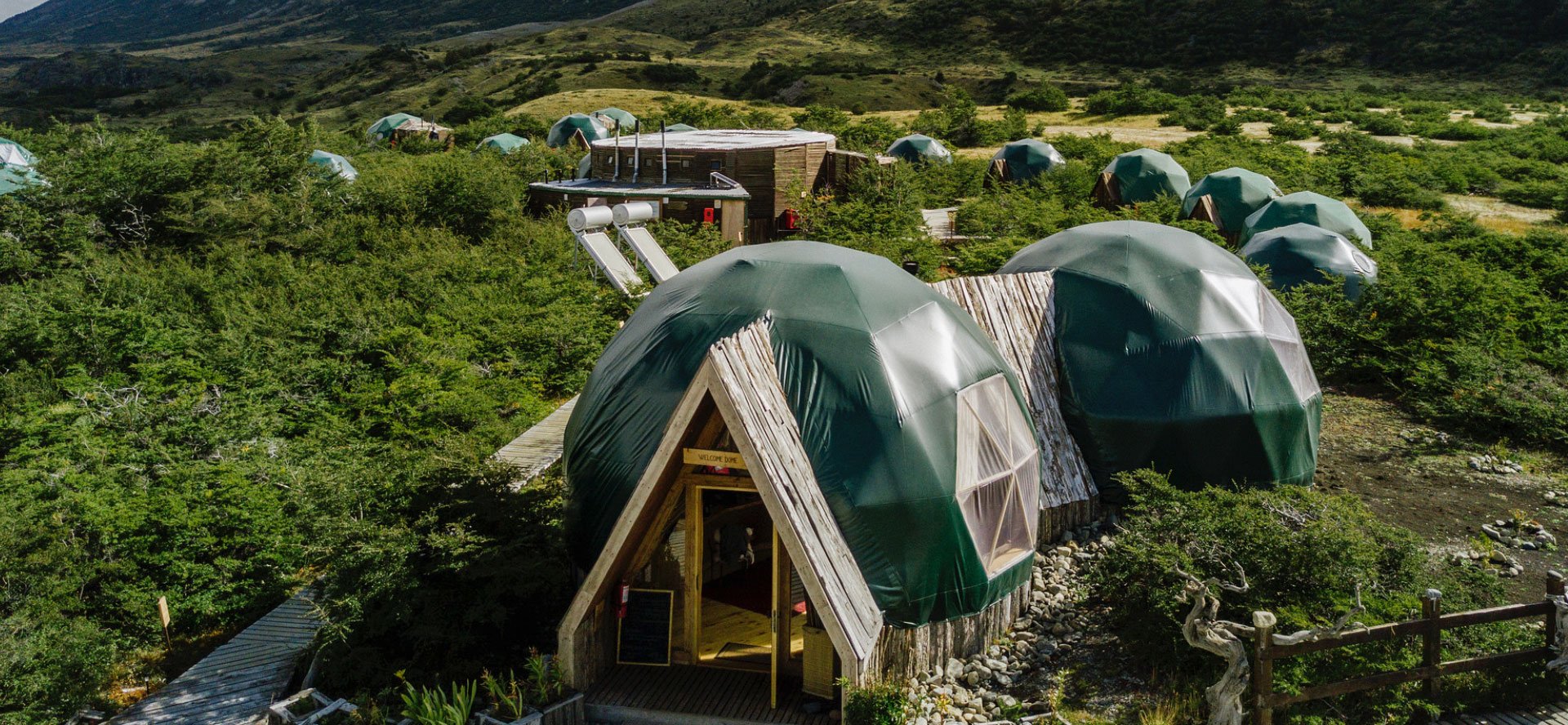
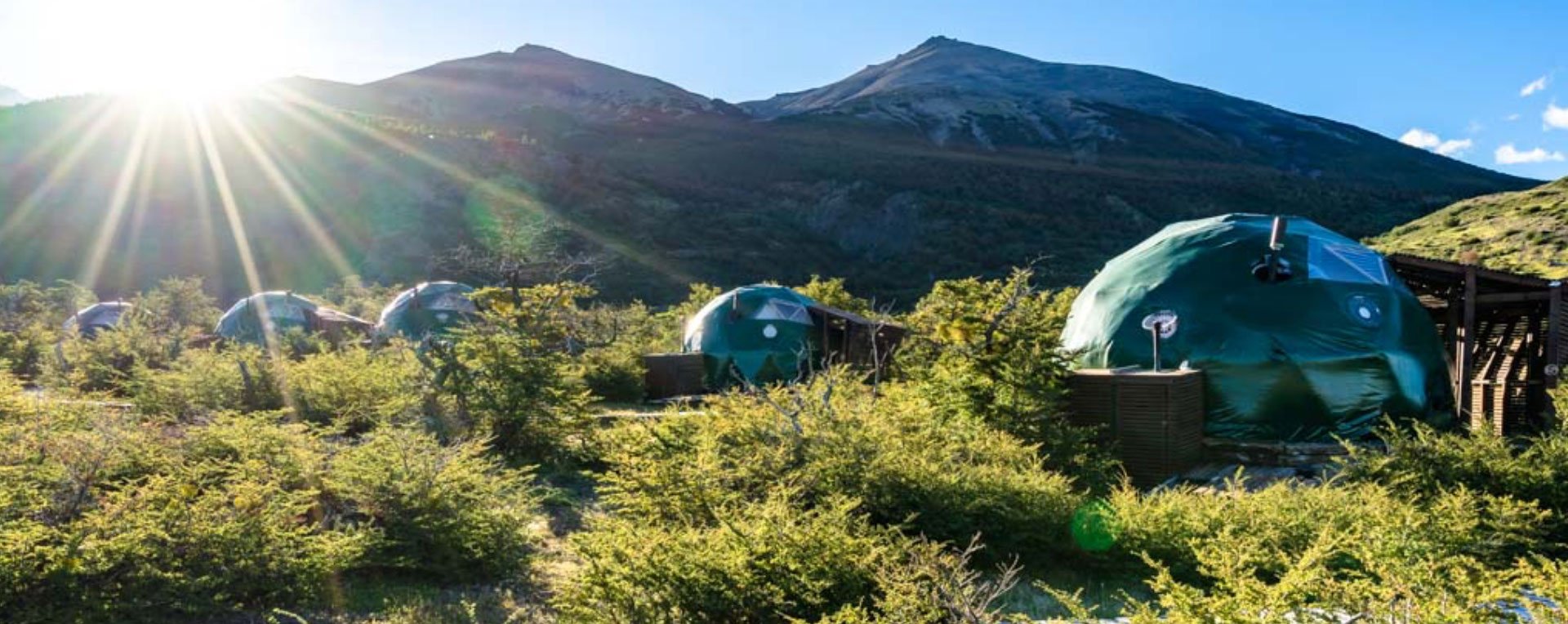
Through non-permanent geodesic architecture, renewable energy generation from solar and micro-hydro sources, and on-site waste treatment, we minimize our carbon footprint and impact on the soil. We create high-quality travel experiences aligned with international sustainability standards.
Renewable Energy System
To reduce fossil fuel consumption and minimize our operational carbon footprint, EcoCamp Patagonia uses a hybrid energy system based on renewable sources.
- Micro-hydro and solar power generation: We operate five run-of-river micro-hydro turbines, which harness the power of flowing water before returning it in full to its natural watercourse, alongside photovoltaic solar panels connected to a battery bank.
- Operational self-sufficiency: Under optimal conditions, this integrated system supplies up to 95% of the electricity needed during the season for lighting, refrigeration, and device charging at the camp.
- Thermal efficiency and hot water: The domes make use of natural daylight and passive solar heating. Heating is supplemented by biomass heaters using pellets and efficiently burned firewood, while hot water for showers is provided by thermosiphon solar water heaters.
Measuring and Offsetting Emissions
At EcoCamp Patagonia, we measure our operational carbon footprint annually, covering the camp’s infrastructure, our administrative offices, staff transportation, and team flights.
We prioritize direct emissions reductions through renewable energy and low-impact infrastructure. For operational emissions we cannot yet eliminate, we purchase carbon credits from certified conservation and clean energy projects.
Calculate and Offset Your Travel Footprint
We invite our guests to measure and offset the impact of their flights to Patagonia:
1. Calculate: Measure your flights’ CO₂e emissions using carbon footprint calculators.
2. Quantify: Determine the amount of CO₂ associated with your journey.
3. Offset: Fund global or local conservation and reforestation projects through verified organizations.
We recommend using recognized calculation and offsetting platforms such as:
- MyClimate
- Carbonfund
- Climate Impact Partners
Low-Impact Infrastructure and Sustainable Design
We designed and built EcoCamp Patagonia with the central aim of minimizing our footprint and impact on the soil in Torres del Paine National Park.
All our infrastructure rests on raised wooden platforms and walkways. This design prevents soil erosion, protects native vegetation, and keeps wildlife corridors open for local animals to move through at night. We build structures and decorative features using renewable, locally sourced materials, such as pinewood from local ranches and woven wicker.
Our outdoor walkways are lit by low-intensity solar lights. This soft lighting avoids light pollution and respects wildlife’s nocturnal habits, allowing visitors and the natural environment to coexist harmoniously.
Waste Management and Water Treatment
At EcoCamp Patagonia, we apply circular economy practices to manage resources and minimize waste within the park.
- Water-saving sanitation systems: We use composting toilets that safely process biological waste, drastically reducing water consumption and incorporating the resulting compost into soil restoration processes.
- Greywater treatment: We use biodegradable cleaning and personal care products. We treat greywater through a biofiltration system to safely return clean water to the soil.
- Organic and inorganic waste management: We separate and compost organic kitchen waste on-site. We also sort recyclable materials—glass, plastics, metals, beverage cartons, and cardboard—and transport them to authorized recycling centers in Punta Arenas.
Sustainability Tour
We guide our guests through the camp’s facilities on a sustainability tour called the Ecotour. During this visit, our team explains how our energy, water, and waste management systems work, sharing practical ways for guests to apply resource efficiency principles back home.
Discover Our Low-Impact Engineering in This Video
See how our renewable energy technologies, water management, and waste systems work in Torres del Paine. Watch our sustainability video to discover how we operate on-site.
Awards and Recognitions
Our environmental management model is supported by international recognition from the tourism industry:
• Gold Award for Waste Management: Awarded at the LATA Responsible Tourism Awards 2025.(Read here)
• Global Sustainability Recognition: Featured as the only Chilean initiative in Wanderlust magazine’s Travel Green List 2026. (Learn more)